If you own a rental in Plano, you already know that "just listing it" is not a management strategy. In a market with steady rental demand, city property standards, and pricing that still needs to be dialed in carefully, the difference often comes down to execution. This is where boutique property management stands out. You get a closer, more hands-on approach to leasing, maintenance, communication, and reporting, all of which can help protect your property and improve the ownership experience. Let’s dive in.
Boutique Management in Plano
Boutique property management is not a separate legal category. In Texas, the core duties of residential property management are the same whether a firm is large or small. According to Texas Real Estate Commission broker-responsibility guidance, those duties include preparing and explaining management agreements, maintaining property before leasing, screening applicants, preparing leases, collecting rent, handling trust funds properly, enforcing lease terms, and managing renewals, terminations, and security deposits.
So what makes boutique management different in Plano? It usually comes down to service intensity. Instead of a high-volume system where owners can feel like one file among many, boutique management tends to offer tighter communication, more visibility into repairs and leasing activity, and more attention to presentation and make-ready quality.
For many Plano owners, especially those with single-family rentals, townhomes, or small multifamily holdings, that higher-touch structure matters. It can mean fewer delays, clearer answers, and a manager who feels more like a direct operator than a distant call center.
Why Plano Owners Need Strong Execution
Plano is a deep and active rental market, but it is not a market where owners can afford to be casual about pricing or presentation. The U.S. Census Bureau QuickFacts for Plano shows an estimated population of 293,286, 112,438 households, a 56.9% owner-occupied housing unit rate, and median gross rent of $1,841. A 2023 housing study cited in that same market context found that about 43% of households rent rather than own.
Current asking-rent conditions also show why active management matters. Zillow’s Plano rental market data reports an average asking rent of $2,500, 499 active rentals, and a market described as warm. At the same time, Zillow reports asking rents as flat month over month and down $195 year over year, which suggests that overpricing can slow leasing even when demand is still healthy.
That combination creates a practical reality for landlords. There is enough renter demand to support well-managed properties, but not enough room for sloppy marketing, slow lead response, weak photos, or drawn-out make-ready timelines. A boutique approach is often most valuable in exactly this kind of market.
What High-Touch Service Should Include
A true boutique model should still cover every core management function. The difference is that it should do so with more consistency, visibility, and owner support.
Here is what that often looks like in practice:
- A clear management agreement with defined responsibilities
- A documented make-ready plan before listing
- Tight pricing reviews based on current market conditions
- Fast follow-up on leasing inquiries
- Thoughtful coordination of repairs and preventative maintenance
- Recurring accounting and organized records
- Clear communication on approvals, timelines, and tenant issues
In other words, boutique management should feel organized, personal, and proactive. It is not about doing different work. It is about doing the same work with more care and less friction.
Leasing Starts Before the Listing
In Plano, leasing strategy should be tied to the current market, not old assumptions. With average asking rent at $2,500 and year-over-year softness in Zillow’s latest data, owners benefit from regular pricing checks and realistic positioning from day one. An overpriced property can lose momentum fast, especially when renters have multiple active options to compare.
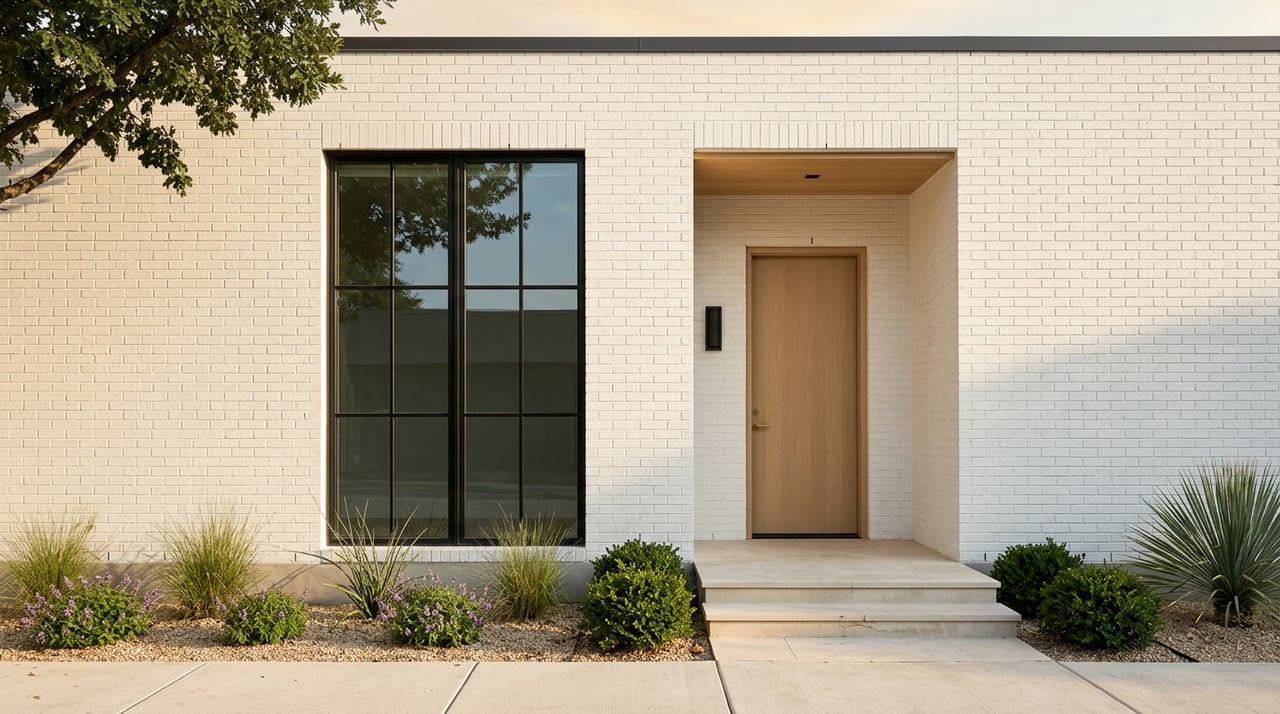
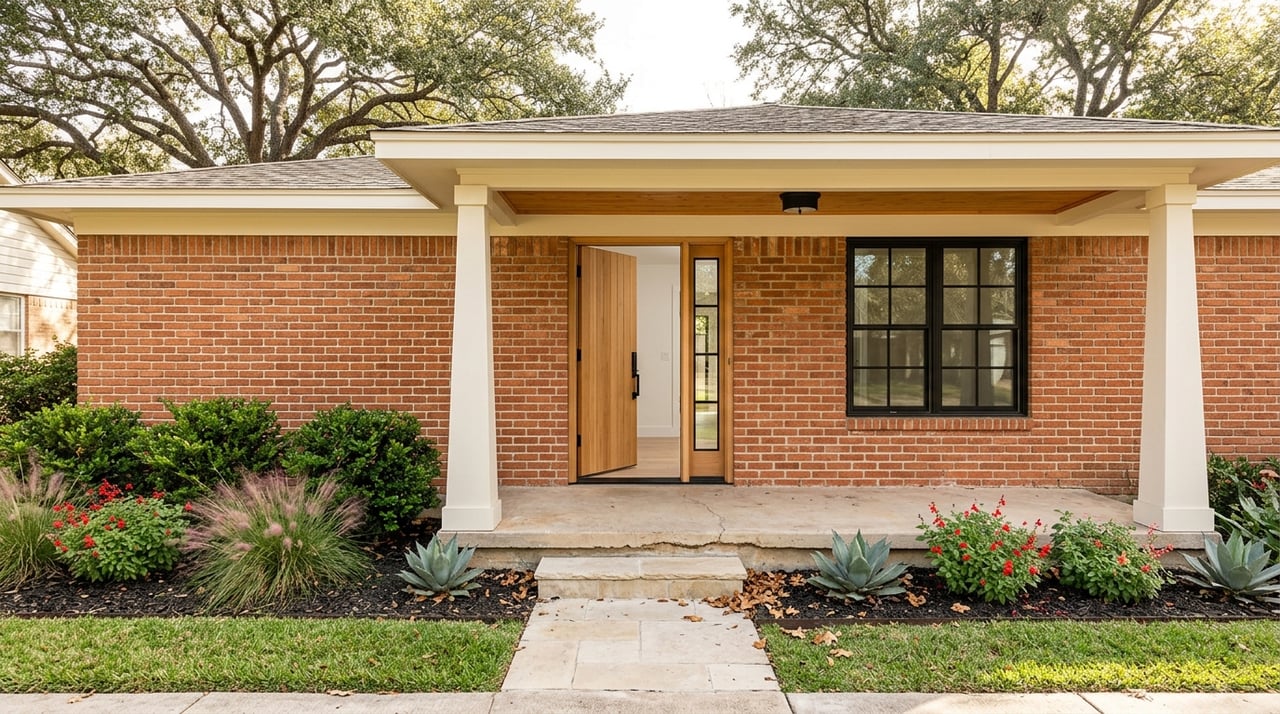
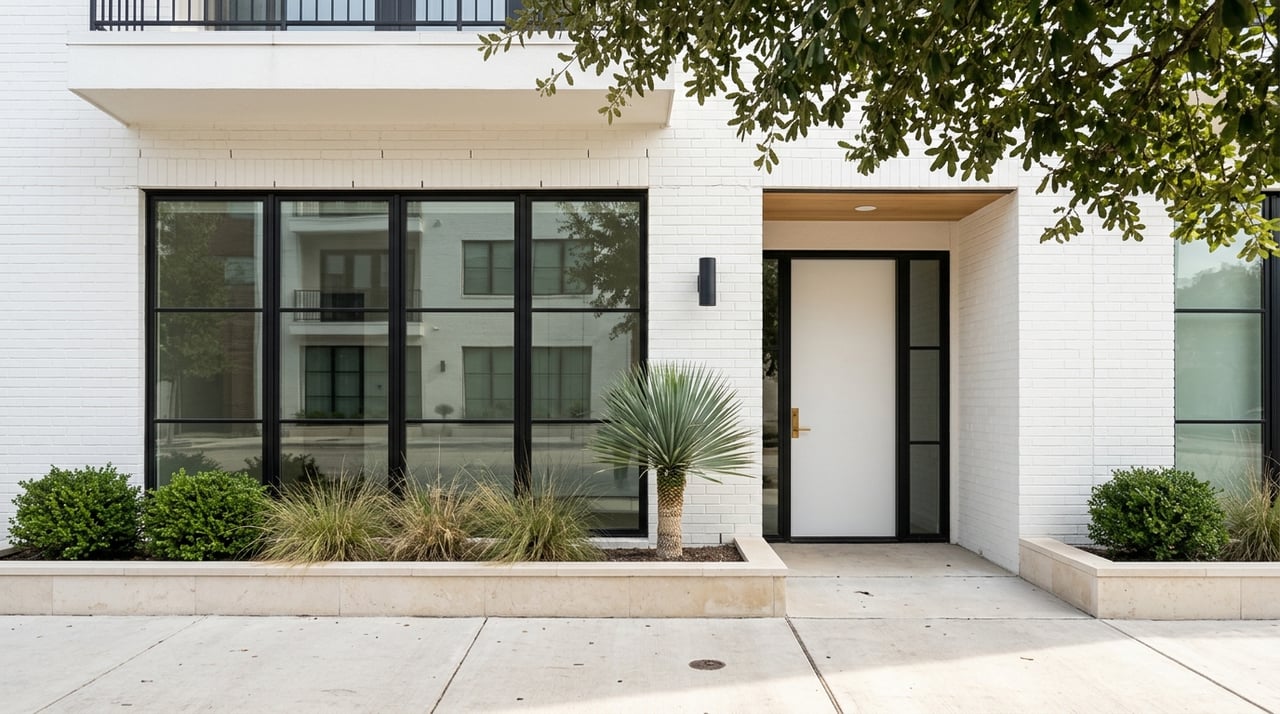
That is why boutique management should start before the listing goes live. Good leasing execution includes make-ready coordination, pre-listing walkthroughs, vendor scheduling, quality control, and stronger marketing presentation. For design-conscious owners or investors, that can also mean sharper photography and cleaner listing copy that better reflects the property’s condition and value.
TREC’s guidance supports this operational view of leasing. A manager should know how to secure a vacant property, find and screen applicants, prepare the lease, and manage renewals or terminations when needed. In real life, that means leasing is not a single event. It is a process with several points where details can help or hurt performance.
Make-Ready Matters More in Plano
Plano’s local code environment makes quality control especially important. The city states that it enforces minimum housing standards and property-maintenance codes. The same city resource notes that the Multi-Family Rental Registration & Inspection Program exists to safeguard occupants and enforce minimum building standards and property-maintenance codes.
Plano also shows that its 2024 building codes are effective August 1, which reinforces the need for owners and managers to stay current on standards and expectations. For owners, this does not mean every make-ready is a major renovation. It does mean the property should be evaluated carefully, turned properly, and prepared with more than a fast cosmetic cleanup.
A boutique manager should be attentive to the small operational steps that support a stronger lease-up. That includes securing vacant properties, addressing deferred maintenance, coordinating vendors, and confirming that the home is ready before showings begin. Better preparation often helps reduce avoidable leasing delays.
Communication Should Be Easy to Follow
One of the clearest signs of boutique property management is how easy it is for you to understand what is happening with your asset. If you have to chase updates, piece together invoices, or guess where a repair stands, the service model is not doing its job.
TREC says brokers must maintain current records and, when trust funds are active, provide at least monthly accountings. Its guidance also points to records such as management agreements, leases, move-in condition forms, move-out notices, forwarding-address notices, and security-deposit accountings. That means good reporting is not just a nice extra. It is part of sound management practice.
For owners in Plano, high-touch communication should make the paperwork and money flow easier to track. You should know what work was approved, what was completed, what was paid, and what still needs attention. Clear reporting builds confidence and helps you make better ownership decisions.
Compliance Is Part of Good Service
Boutique service should feel polished, but it also needs to be compliant. In Texas, trust money must be handled properly in a trust account without commingling, and records need to be maintained carefully, according to TREC’s broker-responsibility materials. That operational discipline matters just as much as responsiveness.
Texas law also sets important expectations around repairs and security deposits. Under the Texas Property Code, landlords must make a diligent effort to repair conditions that materially affect health or safety, or hot-water problems, once proper notice is given and the tenant is not delinquent in rent. The same code generally requires the security deposit to be returned within 30 days after the tenant surrenders the premises, or a written itemization of deductions must be provided.
A boutique manager should be able to explain those timelines clearly and document the trail behind them. That includes repair requests, invoices, move-out documentation, and deposit accounting. For owners, that kind of visibility can reduce uncertainty and help avoid preventable disputes.
Licensing and Accountability Matter
For many Plano rentals, especially scattered-site homes and small portfolios, the manager is directly involved in showings, leasing, and rent handling. TREC states that a license is required if someone is showing or leasing property for compensation. A license is also required if that person controls the acceptance or deposit of rent from a resident of a single-family residential unit.
That matters because boutique service should not mean informal service. The right setup should combine accessibility with proper systems, licensing where required, and accountable recordkeeping. In other words, personal attention works best when it is backed by professional structure.
What Owners Should Expect in Writing
If you are evaluating property management in Plano, one of the best questions to ask is simple: what will I receive in writing? A strong management relationship should be clearly documented from the start.
At minimum, you should expect:
- A written management agreement
- Leasing and applicant documentation
- Move-in and move-out records
- Repair approvals and invoice tracking
- Monthly accounting when trust-account activity exists
- Security-deposit documentation at turnover
- A defined communication rhythm for updates and decisions
These items help set expectations early and keep the relationship transparent over time. In a boutique setting, they should be easy to access and easy to understand.
Why Some Owners Prefer Boutique Management
For many landlords and investors, the appeal of boutique property management is simple. You want your property to feel like it matters. You want leasing to move efficiently, repairs to be visible, accounting to be organized, and questions to get answered without delay.
In a market like Plano, that can be especially valuable. Rental demand is real, but so are the risks of overpricing, incomplete make-ready work, poor documentation, or inconsistent communication. A boutique model can help close those gaps by pairing the required management duties with a more direct, more accountable service experience.
If you want a property manager who takes a hands-on, design-aware, and operationally disciplined approach to leasing and stewardship, Lardner Group offers boutique guidance shaped by local market knowledge and a long-term ownership mindset.
FAQs
What does boutique property management mean in Plano?
- In Plano, boutique property management usually means a higher-touch service model for the same core duties required in residential management, with more direct communication, tighter coordination, and closer attention to leasing, maintenance, and reporting.
What should Plano rental owners expect from a property manager?
- You should expect a clear management agreement, organized leasing and move-in records, repair coordination, recurring accounting, and documented handling of leases, deposits, and tenant communications.
Why is make-ready so important for Plano rentals?
- Make-ready matters because Plano enforces property-maintenance standards, and current market conditions still reward strong presentation, realistic pricing, and faster leasing execution.
How does Plano’s rental market affect leasing strategy?
- Plano’s rental market is active, but current asking-rent trends suggest that overpricing can increase time on market, which makes pricing reviews, listing quality, and lead response especially important.
Does a Plano property manager need a real estate license?
- In Texas, a license is required in certain situations, including showing or leasing property for compensation and controlling the acceptance or deposit of rent from a resident of a single-family residential unit.
What are the Texas rules for repairs and security deposits?
- Texas law generally requires landlords to make a diligent effort to repair qualifying health, safety, or hot-water issues after proper notice, and to return the security deposit within 30 days after surrender or provide a written itemization of deductions.