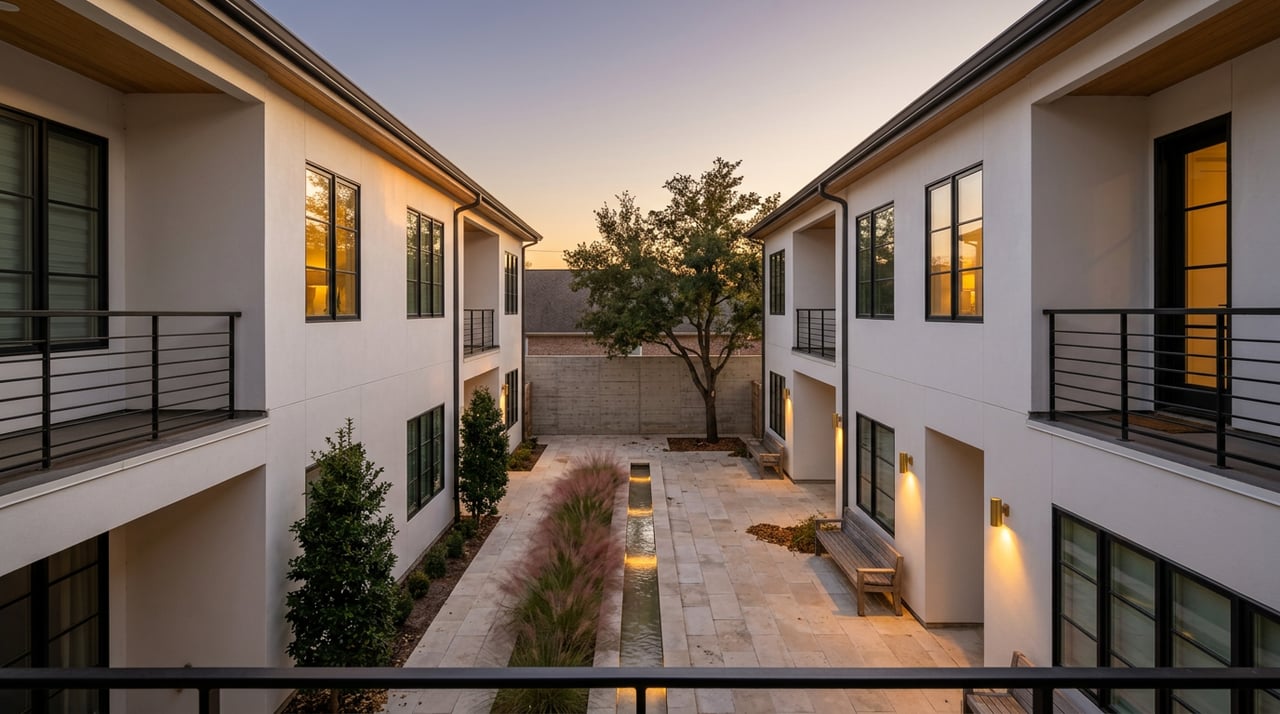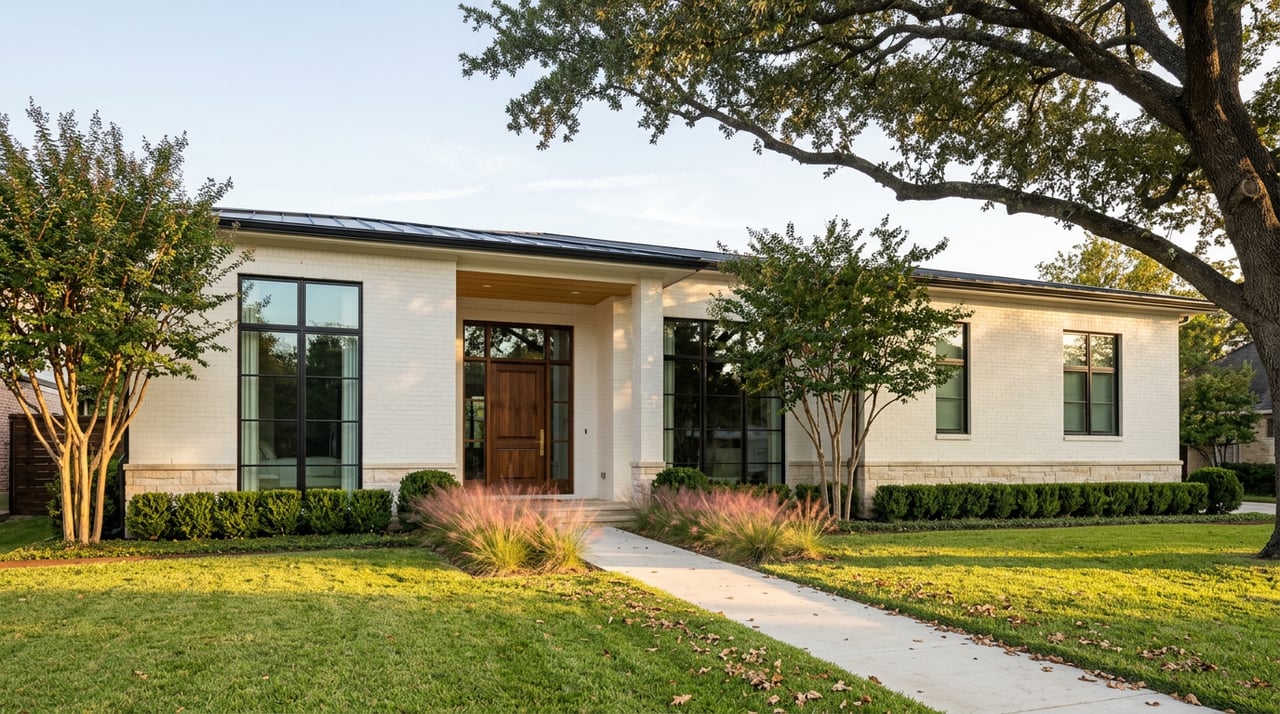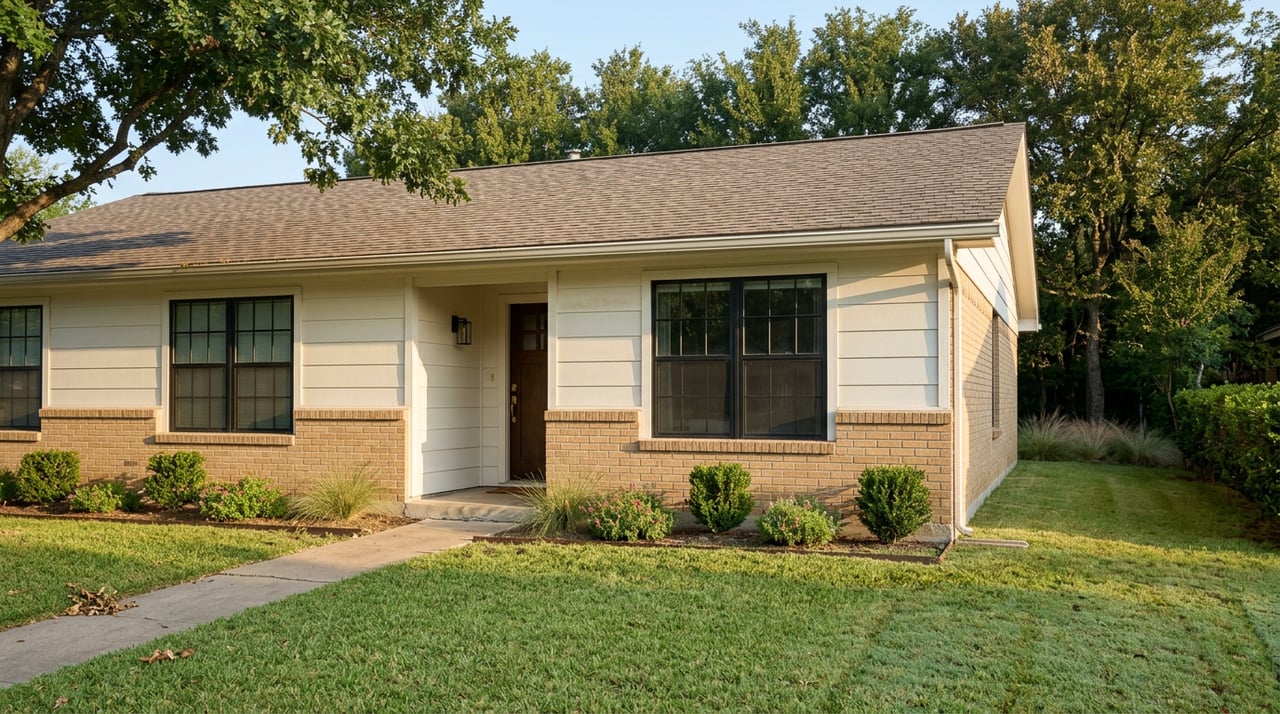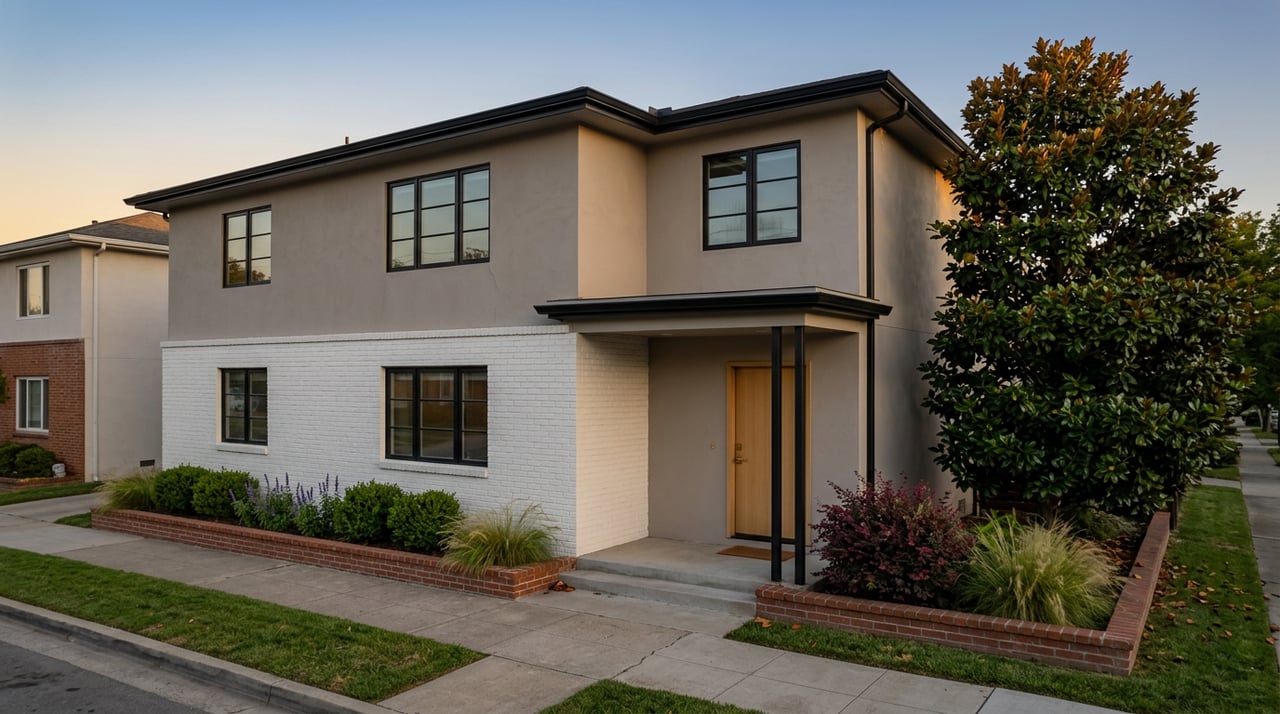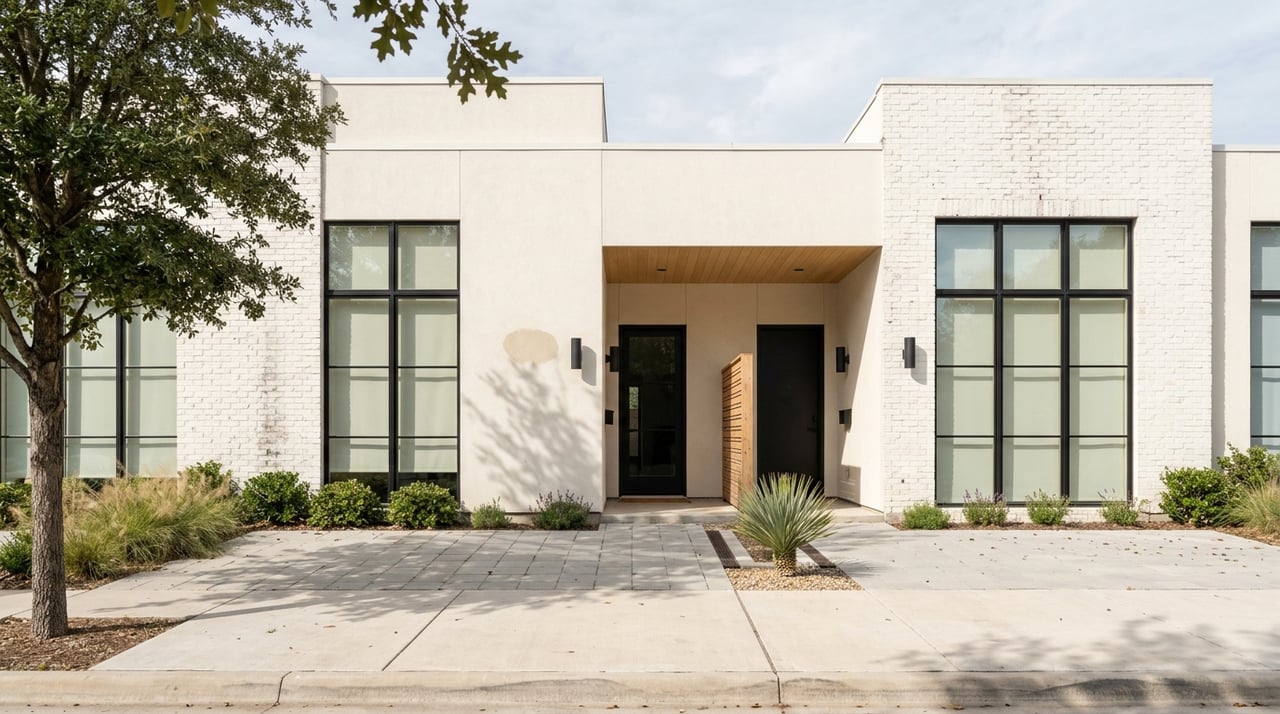
If you are thinking about an infill townhome project in East Village Dallas, the opportunity can look exciting at first glance. But in this part of East Dallas, success usually comes from getting the early decisions right, from zoning and platting to circulation, trees, transit access, and launch timing. A smart plan helps you avoid costly surprises and shape a project that fits the market and the site. Let’s dive in.
Why East Village attracts townhome projects
East Dallas offers many of the ingredients that make infill townhomes appealing. According to the city's planning framework, the area is primarily residential, with higher-density commercial uses concentrated along the North Central Expressway corridor. That matters because your project story, site plan, and access strategy need to respond to a neighborhood setting first, not just a density target. You can review that context in the Dallas Thoroughfare Plan.
There is also a solid demand backdrop at the city level. The U.S. Census QuickFacts for Dallas reports a 2024 population estimate of 1,326,087, median household income of $70,518, owner-occupied housing at 42.4%, and median gross rent of $1,472. While those are citywide numbers, they support the case for both for-sale and rental housing in an urban infill setting.
For East Village specifically, transit access can strengthen the value proposition. DART's Cityplace/Uptown Station connects rail and bus service and is part of the DART Transform modernization effort, giving nearby projects a real advantage if you want to market walkability and car-light living.
Start with parcel due diligence
Before you spend too much time on design, verify what the parcel can actually support. Dallas recognizes several zoning paths that may be relevant to a townhome concept, including townhouse districts, clustered housing, multifamily, mixed-use, urban corridor, and form-based districts. The right path depends on the current zoning and any applicable overlays, so your first stop should be the city's zoning resources and DallasNow tools.
This step is important because a project that works financially on paper can change quickly once setbacks, access rules, or district standards are applied. Infill sites often look straightforward until the legal framework narrows what can be built. Early zoning review helps you underwrite with more confidence.
If the site sits in a landmark district or is a landmark property, review that immediately. Dallas requires a Certificate of Appropriateness for certain historic review cases, including new construction or demolition work in those situations. That screening should happen before you finalize land control, not after.
Understand approvals before design hardens
In Dallas, the approval path for an infill project is rarely one simple permit. The City Plan Commission handles zoning recommendations and platting and recording of subdivisions, while the permit center addresses subdivision of property, addressing information, and water and wastewater permits. That means your legal, civil, and permitting work needs to be sequenced carefully.
For many townhome projects, platting is just as important as architecture. If you plan individually platted lots, shared access, or revised utility layouts, those choices affect timing and cost. When the sequencing is off, projects can stall between entitlement and construction.
If your concept needs relief from existing standards, Dallas notes that Board of Adjustment review may be appropriate. Still, it is wiser to treat that route as a fallback than your base case. A project that works within the rules is usually easier to move, finance, and launch.
Fit the project to East Dallas context
East Village is not a place where you should force a suburban template onto an urban infill site. The Thoroughfare Plan describes East Dallas as primarily residential and also reflects long-running resistance to street widening in the area. In practical terms, that makes neighborhood fit, circulation, and access part of the feasibility test from day one, not a detail to solve later.
That planning context supports a more compact, pedestrian-oriented product story. If your audience values proximity to transit, connected streets, and an urban lifestyle, the project should reflect that in the site plan, entry sequence, and branding. The strongest concepts often feel intentional about how residents arrive, move through the site, and connect to the surrounding area.
This is also where project messaging matters. If your site benefits from nearby transit, use that truthfully and clearly. DART notes that Cityplace/Uptown Station connects to rail, bus service, and the M-Line Trolley, which gives you a credible way to position the project around access and convenience rather than parking alone.
Plan trees and site layout early
One of the most overlooked parts of a Dallas townhome concept is landscape and tree compliance. Dallas's Landscape and Tree Manual checklist includes townhouse-specific requirements. Individually platted townhouse lots generally need a front-yard site tree, while shared-access or multi-unit layouts are scaled by lot area or unit count.
That can directly affect driveway placement, usable frontage, and open-space planning. If you wait until architecture is nearly complete, you may end up redesigning site elements that should have been resolved during concept planning. Early modeling helps protect both design quality and budget.
For infill projects on tighter lots, tree preservation and replacement can also shape the development envelope. Even when the site seems small, landscape compliance can influence unit count, curb appeal, and the permitting timeline. It is a design issue and a feasibility issue at the same time.
Build a realistic launch timeline
A well-designed project can still struggle if the launch plan is disconnected from the city process. In Dallas, sign permits are issued through DallasNow, and some sign types are restricted unless zoning or a special sign district expressly allows them. You can review the city's sign permit guidance before finalizing temporary or permanent project graphics.
This is especially important if you want to create a polished presale or leasing presence. Branded site signage, directional signs, and permanent identity features should be coordinated with the permit calendar, not treated as an afterthought. Good marketing starts with compliance as much as design.
You also need to confirm occupancy timing. Dallas states that, except for single-family and duplex uses, a certificate of occupancy is generally required before occupancy or a change in use. For a townhome project, that means your marketing, closings, leasing, and handoff plans should line up with the city's approval timeline.
Engage stakeholders before hearings
Infill projects often benefit from early communication with nearby stakeholders. Dallas provides a Neighborhood Organizations Map, which is a voluntary listing of active HOAs, neighborhood associations, and coalitions. That resource can help you identify who may want to understand the project before public hearings or launch activity begins.
Early outreach does not guarantee consensus, but it can reduce surprises. It also gives you a chance to explain access, site planning, and project intent in a factual way. For East Dallas locations, where neighborhood fit can carry real weight, that step is often worth the time.
Think beyond delivery day
A successful infill townhome project is not just about getting permits and selling units. Long-term performance depends on how the property is operated, maintained, and presented after launch. Dallas's Neighborhood Code unit enforces nuisance and property-standard issues citywide, so ongoing stewardship matters.
City planning initiatives such as Neighborhood Plus and ForwardDallas 2.0 also reflect a broader emphasis on housing diversification, homeownership, rental options, and a citywide planning framework. While those plans are guidance rather than zoning, they still reinforce the importance of thoughtful project execution and neighborhood-minded operations.
For owners and small developers, this is where an integrated approach can create real value. When acquisition, entitlement strategy, branding, launch marketing, sales or leasing, and property management are coordinated, there are fewer handoffs and fewer gaps between vision and execution.
What a strong East Village plan includes
If you are evaluating an infill townhome opportunity in East Village Dallas, your early checklist should usually include:
- Zoning verification through DallasNow and city zoning resources
- Screening for historic or landmark review issues
- Preliminary platting and subdivision strategy
- Utility and civil sequencing, including water and wastewater considerations
- Site-layout testing that accounts for tree and landscape requirements
- Access and circulation review tied to East Dallas context
- Stakeholder mapping through the Neighborhood Organizations Map
- Launch planning for signs, branding, and certificate of occupancy timing
- A long-term operating plan for sales, leasing, or property management
The goal is not just to get a project approved. It is to shape a project that is easier to build, easier to market, and easier to steward over time.
If you want a partner who understands how to connect land strategy, product positioning, launch marketing, and long-term operations, Lardner Group can help you think through the full lifecycle of an East Village townhome project.
FAQs
What makes East Village Dallas attractive for an infill townhome project?
- East Village benefits from an East Dallas setting that is primarily residential, with access to higher-density commercial corridors and nearby transit connections such as Cityplace/Uptown Station.
What should you verify first for a Dallas townhome development site?
- You should start with zoning verification, overlays, and any historic-review triggers using DallasNow and the city's zoning and preservation resources.
Does a Dallas infill townhome project need platting or subdivision review?
- Many projects do, because the City Plan Commission handles platting and recording of subdivisions and the permit center coordinates related subdivision and utility items.
How do tree requirements affect a townhome site plan in Dallas?
- Dallas has townhouse-specific landscape and tree requirements that can influence frontage, driveway placement, lot layout, and overall unit planning.
Why should you plan signage and occupancy timing early for a Dallas project?
- Sign permits are handled through DallasNow, and most non-single-family occupancies require a certificate of occupancy before use, so launch timing should align with city approvals.