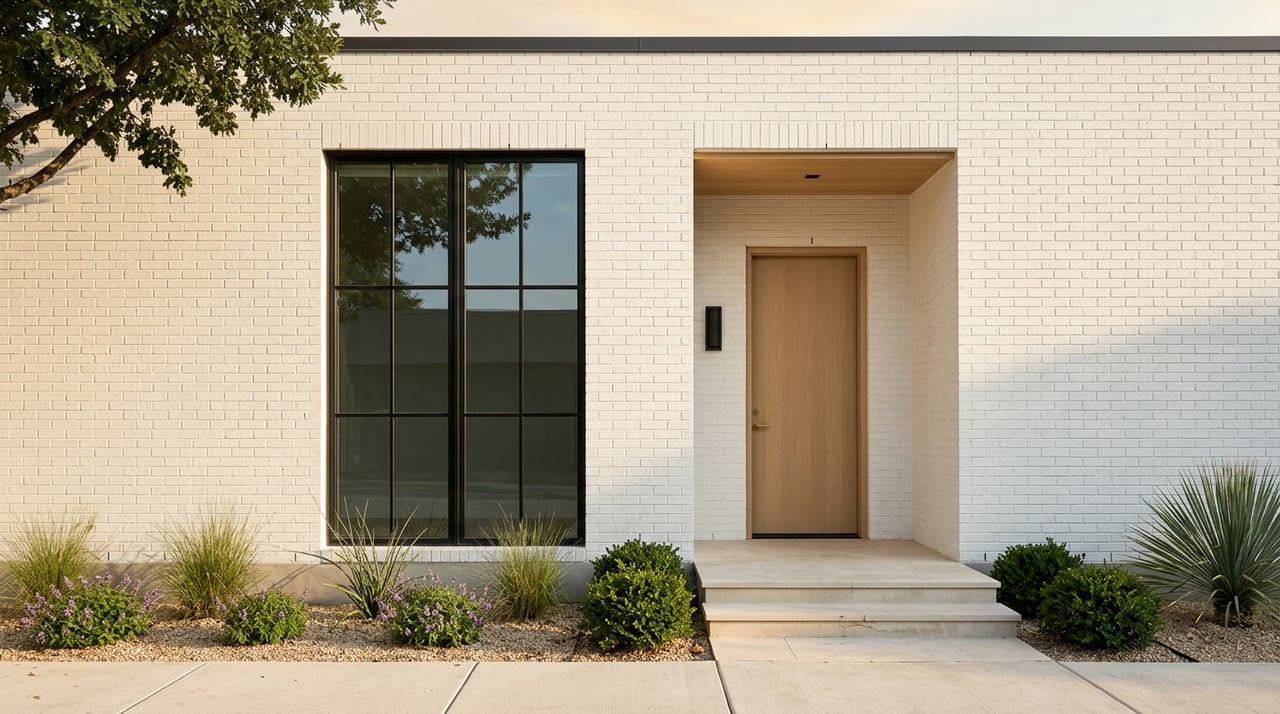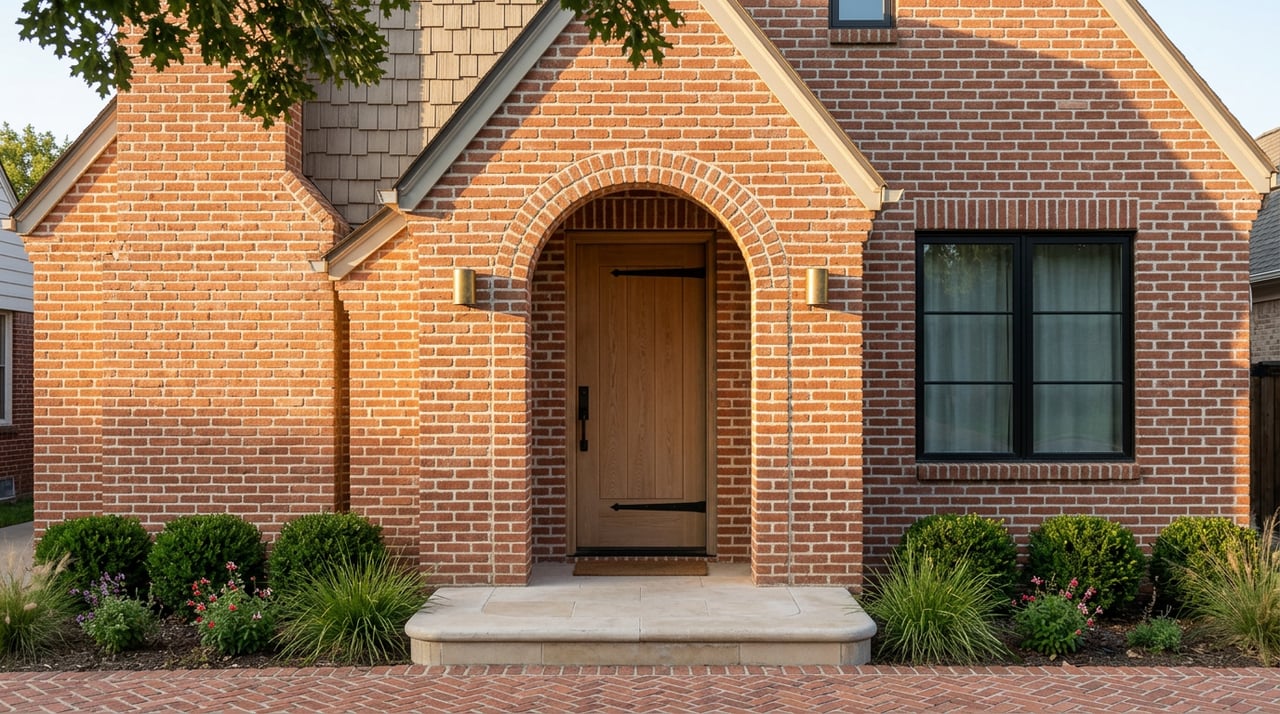
Listing a 1920s Tudor or Craftsman in Dallas’s M‑Streets should celebrate its story, not sand it down. You want to honor original details, meet today’s buyer expectations, and capture a premium without surprises. In this guide, you’ll learn how to prep, price, and market a character home in 75206 while navigating the conservation rules that protect the neighborhood’s look and feel. Let’s dive in.
Know your M‑Streets edge
The M‑Streets, formally Greenland Hills, were platted in the 1920s and remain one of Texas’s largest concentrations of Tudor‑Revival homes. The neighborhood’s conservation district protects consistent setbacks, massing, and street character, which is part of what buyers come for. You often see period details like leaded glass, arched doorways, plaster walls, built‑ins, and original hardwoods that define the area’s appeal. The district exists to preserve those qualities for the long term, which is a selling point when you market authenticity. The City of Dallas conservation document outlines the standards.
Architecturally, Tudor Revival dominates, with Craftsman bungalows sprinkled in. Lean into that story. Sharing neighborhood context and architectural lineage helps buyers connect emotionally and rationally to your home’s value. For more background on styles and history, see the M‑Streets architectural history overview.
Recent platform snapshots have shown 75206 trading at higher price points, with medians reported in the high 700s to mid 800s depending on the source and timing. Sub‑areas near Lower Greenville often command a premium. Expect variability by block and preparation level. The takeaway is simple: the right presentation and pricing strategy can widen your buyer pool and support stronger offers.
Follow the conservation rules
Greenland Hills is a designated conservation district. Exterior changes that affect the streetscape, such as windows, porches, rooflines or additions, may require review and approval. Plan any visible work with lead time, and be prepared to show documentation for past changes. The City details procedures, standards, and appeals in the official conservation guidelines.
Before you start work:
- Disclose the conservation district status early in your listing package and seller disclosures.
- Avoid unapproved exterior changes that could trigger delays or disputes.
- Collect in‑kind product specs, past permits, and historic photos. Documentation reassures buyers and speeds reviews.
- Treat neighborhood preservation interest as a marketing asset. Local tours and markers signal real demand for authenticity, as covered by Dallas preservation coverage and events.
Prep that protects character and ROI
Staging that sells character
Strategic staging helps buyers visualize how period details live well today. The latest NAR research finds staging can reduce days on market and support stronger offers, especially when you focus on the living room, kitchen, and primary bedroom. Review the 2025 NAR Profile of Home Staging for the data.
- Preserve, not erase. Refinish original hardwoods where possible. Keep fireplace surrounds, moldings, and built‑ins front and center in photos and copy.
- Let the details breathe. Remove heavy window coverings so leaded or divided‑light glass shows. Keep sightlines clean.
- Use a neutral but warm palette. Layer soft neutrals on walls, then add texture and light period nods through rugs and decor. Avoid turning the home into a museum set.
- Repair before you replace. For historic windows, porches, and trim, repair or retrofit where possible and document your approach. The guidance compiled here can help you plan character‑sensitive repairs.
Upgrades with the best payback
Most sellers in the M‑Streets see the best returns from targeted, buyer‑objection killers rather than full overhauls. National Cost vs. Value findings show selective curb appeal projects and minor kitchen refreshes perform well, while major system fixes remove deal friction. Review the latest trends at Cost vs. Value.
Prioritize:
- Safety and systems: HVAC service or replacement, electrical safety corrections, roof and gutters, foundation and drainage, and water‑related repairs.
- Comfort and efficiency: attic insulation, weatherization that preserves original windows, and basic air sealing.
- Kitchen refresh: paint or reface doors, swap hardware and lighting, refinish counters or add a simple backsplash. Keep the original footprint if it works.
- Bath updates: reglaze tub or tile where appropriate, replace worn fixtures, add brighter lighting and fresh caulk.
- Curb appeal: tidy landscaping, clean paths, a well‑maintained front door with period‑appropriate hardware.
Budget signals and documentation
Plan a modest staging and photo budget relative to the price tier. Industry surveys indicate thoughtful staging often pays for itself through faster sales or higher offers, especially in the rooms that matter most. Keep all invoices, permits, and before‑and‑after photos. A simple restoration appendix builds buyer confidence.
Media that showcases authenticity
Must‑have assets for a character home
Buyers screen online first, so your media package needs to be complete and curated.
- Professional HDR interiors: main living spaces, kitchen, primary suite, key baths, plus detail shots of mantels, glass, millwork, and floors. NAR’s research ties quality visuals to better buyer response. See the 2025 NAR staging report.
- Exterior hero and twilight: capture curb appeal, period entry and lighting. Data‑driven marketers note strong ROI from pro photography; here is one summary of photography impact and ROI.
- Floor plan and measured square footage: help buyers understand flow and scale before touring.
- 3D tour: interactive tours increase listing engagement and can shorten time to offer by clarifying layout and room relationships.
- Select drone or aerials: useful for showing lot context, tree canopy, and proximity to Greenville Avenue when appropriate. Follow FAA rules and respect privacy.
Photo order and listing copy
Lead with an inviting lifestyle image of the living room or kitchen. Follow with a close detail that proves authenticity, like leaded glass or an arched doorway. Place the floor plan and 3D tour link near the top of the listing so buyers can orient quickly. In copy, combine a two‑line hook about style and daily living with a short fact list that includes year built, key system updates, lot information, and a note that the property sits within the conservation district.
Pricing and timing in 75206
Pricing in the M‑Streets works best with block‑level comps. Lot widths and setbacks are consistent, so immediate neighbors tell the clearest story. Adjust for period authenticity, condition, any permitted additions, outdoor space, and proximity to Lower Greenville. Recent snapshots have suggested a typical days‑to‑pending in the mid 40s, but preparation and strategy often matter more than any single metric.
Timing still follows a seasonal rhythm. Spring through early summer is often the most active window for buyer traffic in Dallas. Regional analysis has highlighted early June as a period with slightly stronger outcomes, though well‑prepared listings can succeed off season. For context on seasonality, see this Dallas market timing piece.
A 3–6 week pre‑list plan
- Week 1–2: Pre‑listing inspection and quick fixes. Address safety, roof, water, and mechanical items first.
- Week 2–4: Character‑sensitive repairs and light refresh. Refinish floors, repair windows or porches, paint selectively, and update lighting or hardware.
- Week 3–5: Staging and declutter. Focus on the living room, kitchen, primary bedroom, and entry. Refer to NAR’s staging findings.
- Week 4–5: Pro photography, twilight exterior, floor plan, and 3D tour. Aim to capture in one coordinated session.
- Week 5–6: List early in the week, syndicate broadly, host a broker preview or agent open, and watch first‑week activity closely.
Frame the sale story
Your listing should connect architectural pedigree to daily life. Keep it concise and specific.
- Hook example: “Authentic 1929 Tudor with original millwork and an updated kitchen, minutes to Greenville Avenue.”
- Two short paragraphs: one on history and character, one on flow and modern function.
- Five fast facts: year built, recent roof or HVAC year, total living area and lot size, conservation district note, and proximity to neighborhood amenities. If you mention schools, do so neutrally and factually.
- Documentation: attach a simple digital appendix with permits, inspection summary, and restoration invoices. This supports value and reduces buyer hesitation.
Go‑to‑market checklist
- Pre‑listing inspection and punch list complete
- Conservation district disclosure and any prior permits on file
- Staging plan finalized for key rooms
- Professional media booked: interiors, twilight, detail carousel, floor plan, 3D tour, optional drone
- Listing copy and two‑line hook drafted
- Launch timing set for spring or early summer when feasible
- Broker preview and first‑week feedback loop ready
Partner with a team that knows M‑Streets
Selling a character home in 75206 is equal parts art and execution. You want a partner who respects the conservation framework, knows how to protect original features, and can present your home with design‑level media and clear, data‑informed counsel. As a Dallas‑based, vertically integrated firm, the Lardner Group delivers curated photography, staging coordination, neighborhood‑savvy positioning, and white‑glove brokerage to help you reach the right buyers and maximize value. Schedule a consultation.
FAQs
What is the M‑Streets conservation district and how does it affect my sale?
- Greenland Hills is a formal conservation district that reviews exterior changes to protect neighborhood character; plan any visible work with the City’s published standards and disclose the status in your listing.
Which improvements deliver the best ROI before listing a character home?
- Address safety and systems first, then pursue selective curb appeal, minor kitchen refreshes, and bath updates; national data supports these projects as higher‑return items per Cost vs. Value.
How should I handle original windows, floors, and trim when preparing to sell?
- Favor repair and refinishing over replacement to preserve character and buyer appeal, and keep documentation; this preservation guidance outlines practical repair approaches.
What media package works best for an M‑Streets listing?
- Invest in pro HDR photos, a twilight exterior, a detail carousel of original features, a measured floor plan, and a 3D tour; curated media increases engagement and helps buyers evaluate layout.
When is the best time to list a home in 75206?
- Spring to early summer often brings the most buyer activity in Dallas, with early June highlighted in regional analyses; see this seasonality overview for context.
How should I price a character home in the M‑Streets?
- Start with block‑level comparables and adjust for authenticity, condition, any permitted additions, outdoor space, and proximity to Lower Greenville; preparation quality can materially influence results.
Do I need to disclose school information when selling in 75206?
- You can note nearby schools neutrally and factually if relevant, but avoid value judgments; buyers can verify attendance zones independently as part of their due diligence.