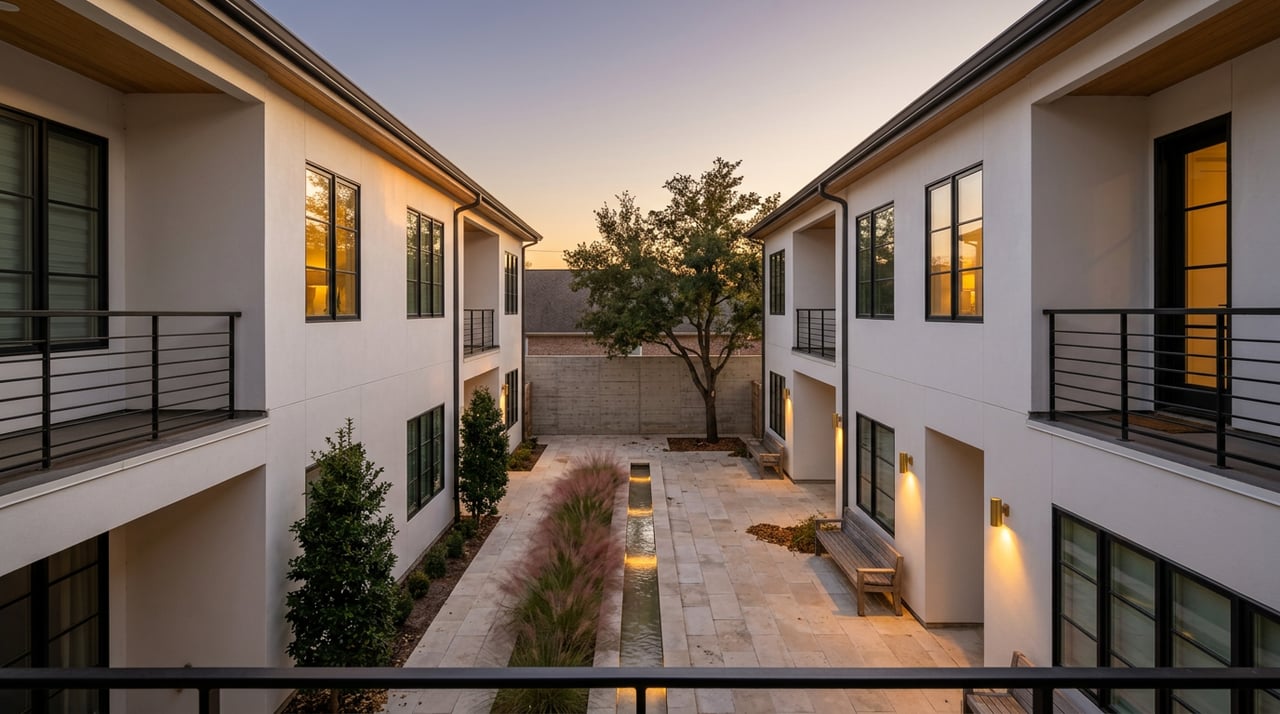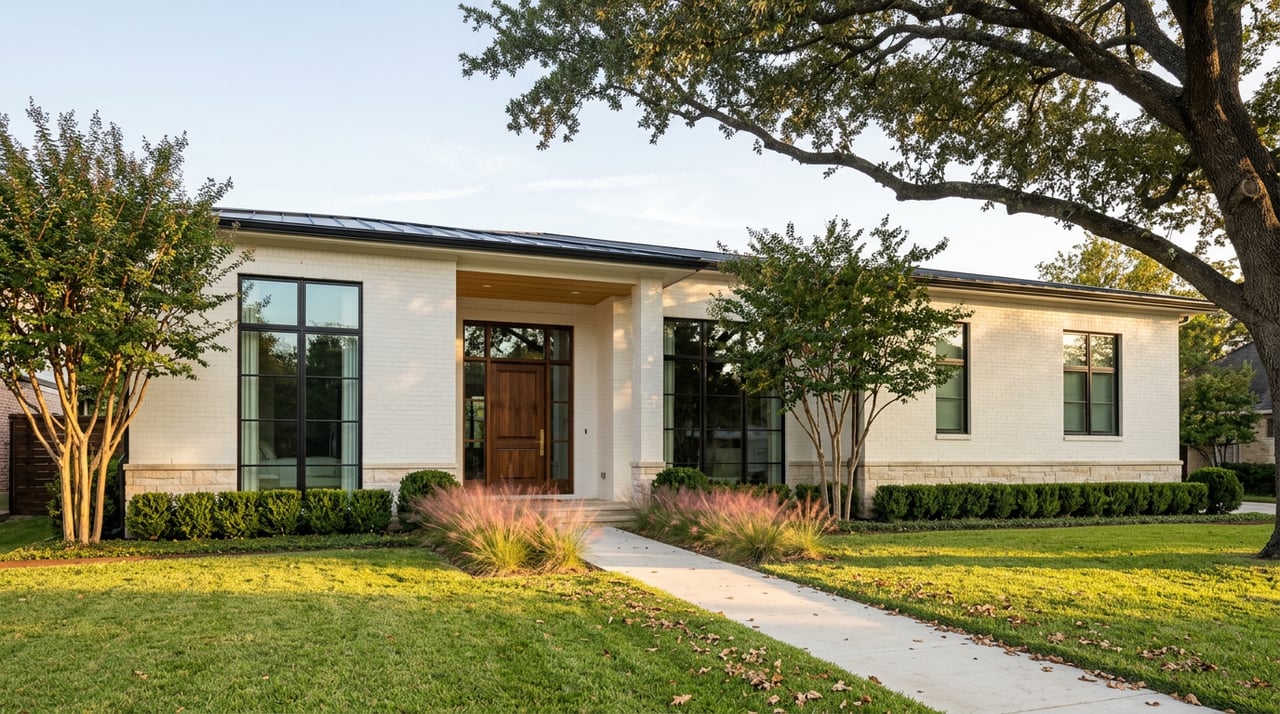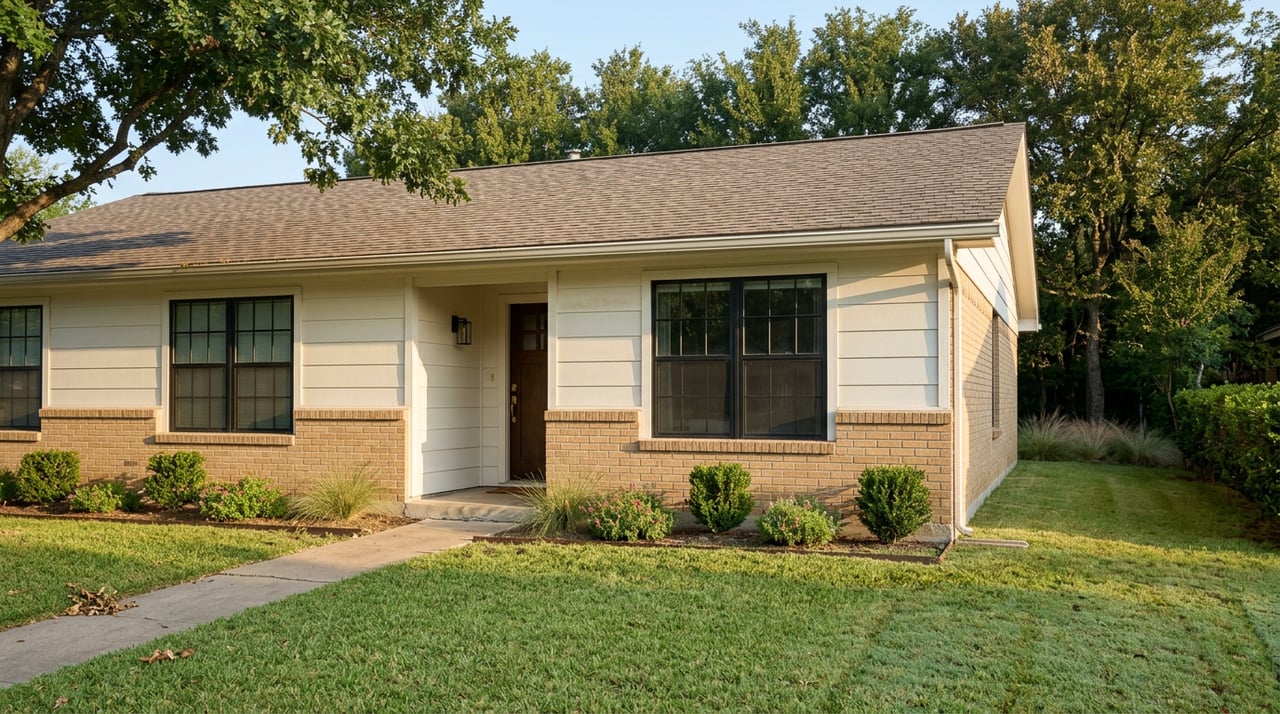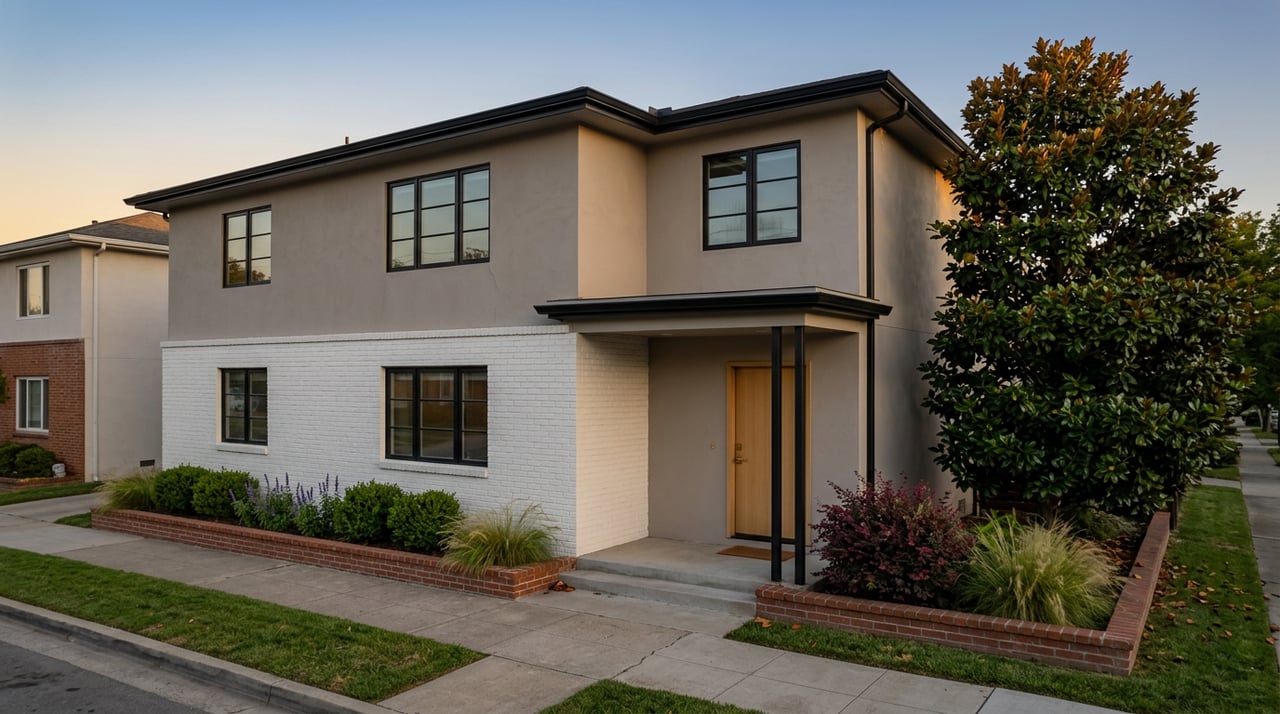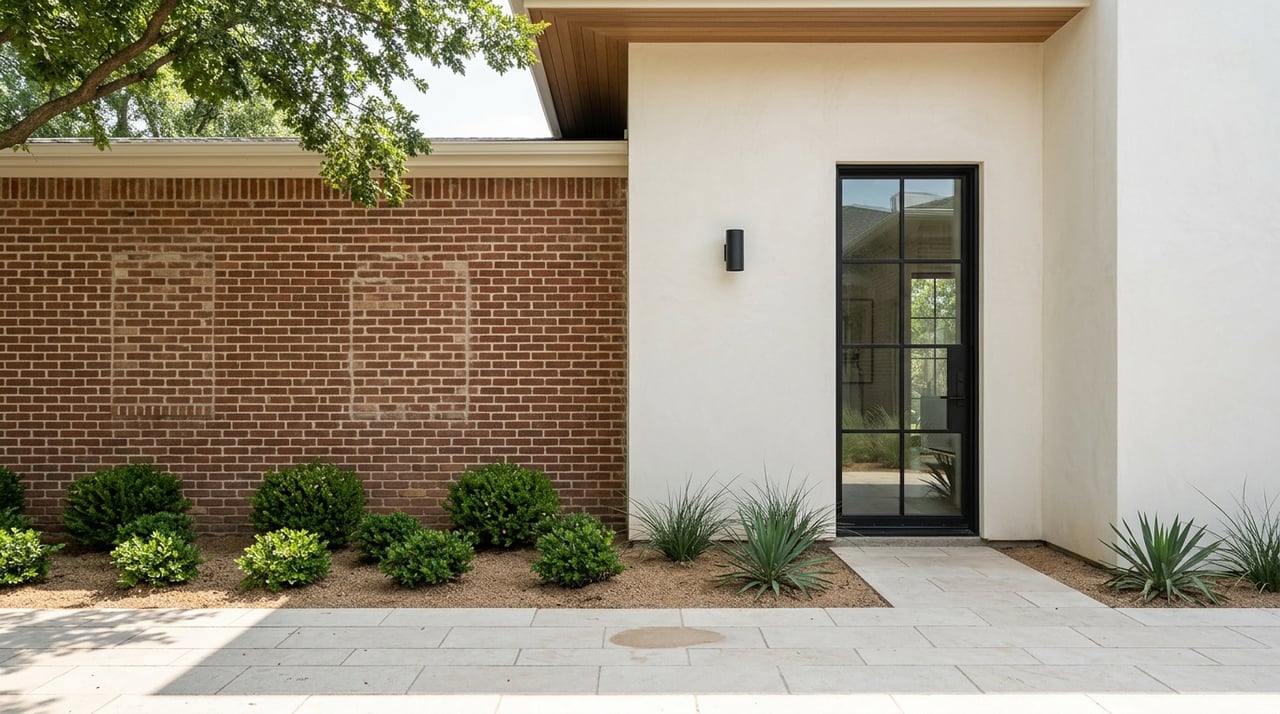
Wondering whether to renovate or start fresh in Lake Highlands? You are not alone. In this part of Dallas, the answer is rarely simple because the neighborhood has a wide mix of home ages, lot sizes, and block-by-block conditions. If you are weighing a remodel against a teardown, this guide will help you think through the tradeoffs, the local permitting realities, and the kinds of properties that tend to fit each path. Let’s dive in.
Why Lake Highlands Is a Case-by-Case Decision
Lake Highlands is an established infill area, not one uniform subdivision. Parts of the area were built during the 1960s and 1970s housing boom, while Old Lake Highlands includes older homes with development concentrated from the 1940s through the 1960s. That mix matters because one street may support a smart renovation, while the next may present a stronger case for a rebuild.
Lot profiles also vary more than many buyers expect. Current examples in the area include lots around 50x145, 50x150, 80x130, 127x104, and 150x150. Those dimensions can offer room for additions or a replacement home, but they still call for careful planning around setbacks, trees, drainage, and overall site use.
Dallas as a whole also has a meaningful older housing stock. The City of Dallas reports that pre-1970 housing makes up 38% of all units, and pre-1970 single-family homes tend to have lower value per square foot than post-1970 homes. That does not mean an older home is a poor choice, but it does mean age should be part of your analysis.
When Renovating Often Makes More Sense
Renovation is usually the better fit when the house still has a solid foundation, a usable layout, and enough structural life to justify improvement. In Lake Highlands, that often means the lot is already attractive and the goal is to improve how the home lives day to day rather than replace it entirely.
In Old Lake Highlands especially, buyers tend to pay close attention to foundation condition, lot usability, and the quality of previous updates. At the same time, many people value the larger lots and mid-century character found in parts of the neighborhood. If the home has good bones, a renovation can preserve what already works while solving the parts that do not.
A remodel may be a strong option if you want to:
- Rework the kitchen or baths
- Open up the main living areas
- Improve flow between rooms
- Update finishes and systems
- Add functionality without fully changing the footprint
Dallas also draws a practical line between lighter remodeling and major construction. The city says some nonstructural interior remodeling in single-family or two-family homes does not require a permit if it does not add floor area or change exterior doors or windows. Once the work moves into construction, renovation, or major repairs, permits are generally required.
That lower-friction path can matter if your goal is to improve the home without taking on a full demolition and new construction timeline. In a neighborhood like Lake Highlands, renovation can also help preserve the mature setting and existing street character while still giving you a more current interior.
When Building New May Be Worth It
A teardown and new build becomes more compelling when the lot is stronger than the house sitting on it. That can happen when the existing home no longer uses the site well, the layout is functionally outdated, or the cost of fixing core issues starts to approach the value of starting over.
This question comes up often in Lake Highlands because restored original homes and new construction both exist in the same search pool. Buyers in the area look for both. Some want to restore an older home, while others are drawn to well-situated lots that can support a more tailored plan.
Building new may make more sense if you want:
- Full control over floor plan and room count
- Modern systems and energy documentation from the start
- A footprint that better uses the lot
- Updated design without working around an older shell
- A long-term home built around your specific priorities
That said, new construction in Dallas is more involved than a cosmetic remodel. Residential permits are required for new construction, and demolition has its own permit checklist and documentation requirements. New construction also calls for energy compliance documentation, which adds another layer to the planning process.
Site Constraints Matter More Than You Think
In Lake Highlands, the right decision is not just about the house. It is also about the site. Older infill lots can look straightforward at first glance, but site-specific constraints can quickly shape what is realistic.
Before moving too far toward a teardown, you will want to confirm zoning and parcel-level rules. Dallas says the Permit Center can provide a zoning letter, zoning map, and the regulations for a parcel’s zoning district. That information helps you understand the development envelope before you commit to a plan.
Floodplain status can also affect the path forward. The city states that new structures in the 100-year floodplain require a floodplain fill permit and final approval. If a lot has floodplain considerations, new construction may become more complex than it first appears.
Trees are another major factor on older lots. Dallas has replacement-tree requirements for many removals, with a limited exception for some single-family or duplex construction on lots of one acre or less when trees are in the unrestricted zone. In practical terms, existing trees can influence site planning, demolition strategy, and budget.
A Simple Way to Compare the Two Paths
Here is a quick side-by-side view of how the two options often play out in Lake Highlands:
| Option | Usually Best When | Main Benefit | Main Challenge |
|---|---|---|---|
| Renovate | The home has a usable shell and the main goal is better function or updated finishes | Lower-friction path in many cases | You still have to work within the limits of the existing house |
| Build New | The lot is strong but the existing home no longer makes good use of it | Full customization and modern systems | More complex permitting, demolition, and site review |
This is not a formula, but it is a helpful starting point. In an infill neighborhood, the house and the land have to be evaluated together.
Questions to Ask Before You Decide
If you are trying to make the call, start with a few grounded questions:
How strong is the existing structure?
If the home is fundamentally sound and the biggest issues are layout, finishes, or everyday function, renovation may be the smarter move. If the home has larger structural or functional limitations, new construction may deserve a closer look.
How well does the current house use the lot?
Some homes sit on very usable lots but do not take full advantage of the site. In those cases, a new build can create a better relationship between house, yard, light, and circulation.
How much process are you willing to take on?
Interior-only remodeling can be simpler than a full teardown and rebuild. If you want a lower-friction path, that alone may point you toward renovation.
Are there zoning, drainage, floodplain, or tree issues?
These are not small details. They can change what is feasible, how long the project takes, and what it costs to execute.
Is this a block where renovated homes and new homes both make sense?
In Lake Highlands, pocket-level context matters. Because the area includes a mix of subdivisions, ages, and public improvement district activity, one block may support a different strategy than another nearby street.
What Buyers and Sellers Should Keep in Mind
If you are buying in Lake Highlands, try not to judge the choice too quickly from photos alone. A house that seems dated may sit on an excellent lot and have a renovation-friendly structure. On the other hand, a property that looks like a teardown candidate may come with site constraints that make building new more involved than expected.
If you are selling, this same logic matters for pricing and positioning. Some properties should be marketed around update potential, while others should be evaluated more like a land play with redevelopment appeal. In a neighborhood with both restored originals and new builds, the clearest value story usually comes from understanding which lane the property truly fits.
The Bottom Line in Lake Highlands
In most cases, renovation is the better choice when the house still offers enough structural and functional value to justify upgrading it. Building new is often the better fit when the lot is the real asset and the existing house no longer supports the way you want to live. In Lake Highlands, there is no neighborhood-wide rule because the area’s age profile, lot mix, and site conditions make this a highly local decision.
The smartest next step is to evaluate both the structure and the parcel before committing to either path. That kind of block-by-block, lot-by-lot analysis is where local infill experience really matters. If you are weighing a renovation, teardown, or land-driven opportunity in Lake Highlands, Lardner Group can help you think through the options with a practical, design-aware perspective.
FAQs
Should you renovate an older home in Lake Highlands or build new?
- It depends on the condition of the house, how well it uses the lot, and what level of customization you want. Renovation is often the lower-friction option when the structure is still usable, while building new can make more sense when the lot is stronger than the existing home.
Do Lake Highlands remodels always require permits in Dallas?
- Not always. Dallas says some nonstructural interior remodeling of single-family or two-family homes does not require a permit if the work does not add floor area or change exterior doors or windows. Major renovation, repairs, and construction generally do require permits.
What makes a Lake Highlands lot a good teardown candidate?
- A good teardown candidate is often a well-situated lot where the existing home no longer makes effective use of the site. Zoning, setbacks, trees, drainage, utilities, and floodplain status should all be reviewed before moving forward.
Can trees affect a new build in Lake Highlands?
- Yes. Dallas has replacement-tree requirements for many removals, although there is a limited exception for some single-family or duplex construction on lots one acre or less when trees are in the unrestricted zone.
Does floodplain status matter for new construction in Lake Highlands?
- Yes. Dallas states that new structures in the 100-year floodplain require a floodplain fill permit and final approval, which can add complexity to the process.
Why is the renovate-versus-build-new decision so property-specific in Lake Highlands?
- Lake Highlands includes homes from different decades, a range of lot sizes, and varying block conditions. Because of that mix, the right strategy is usually determined at the parcel and street level rather than by neighborhood-wide assumptions.