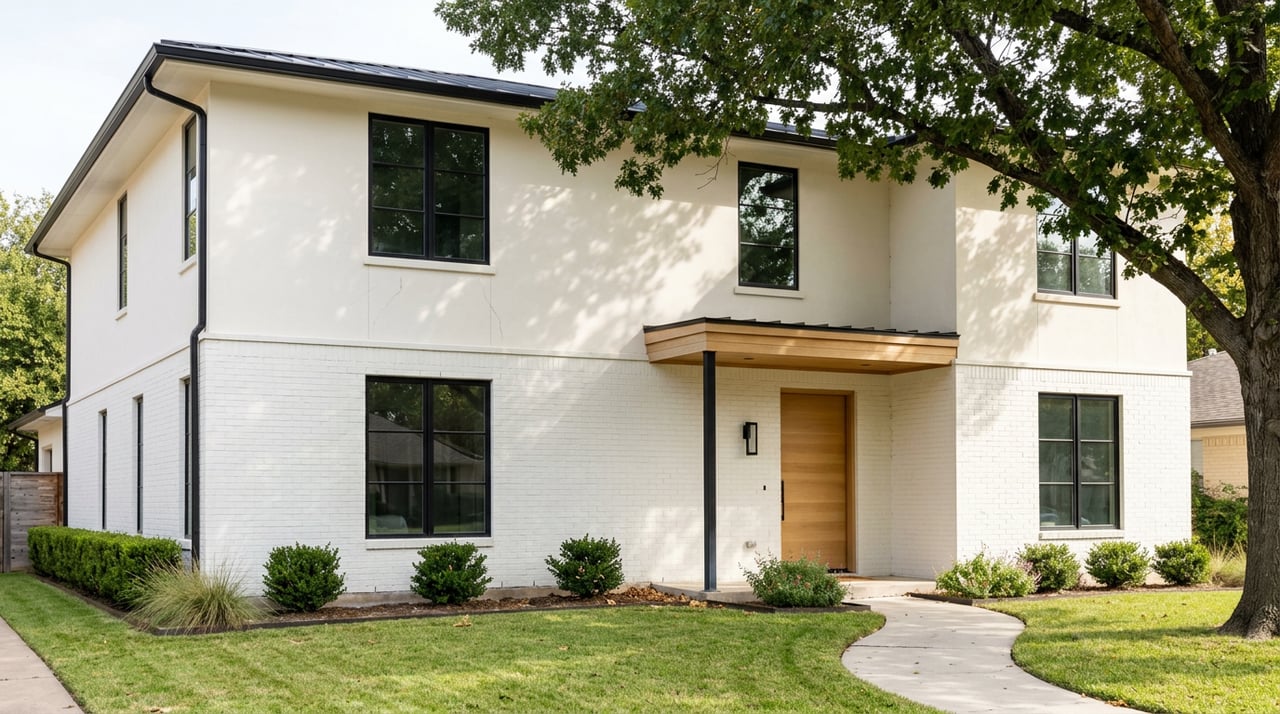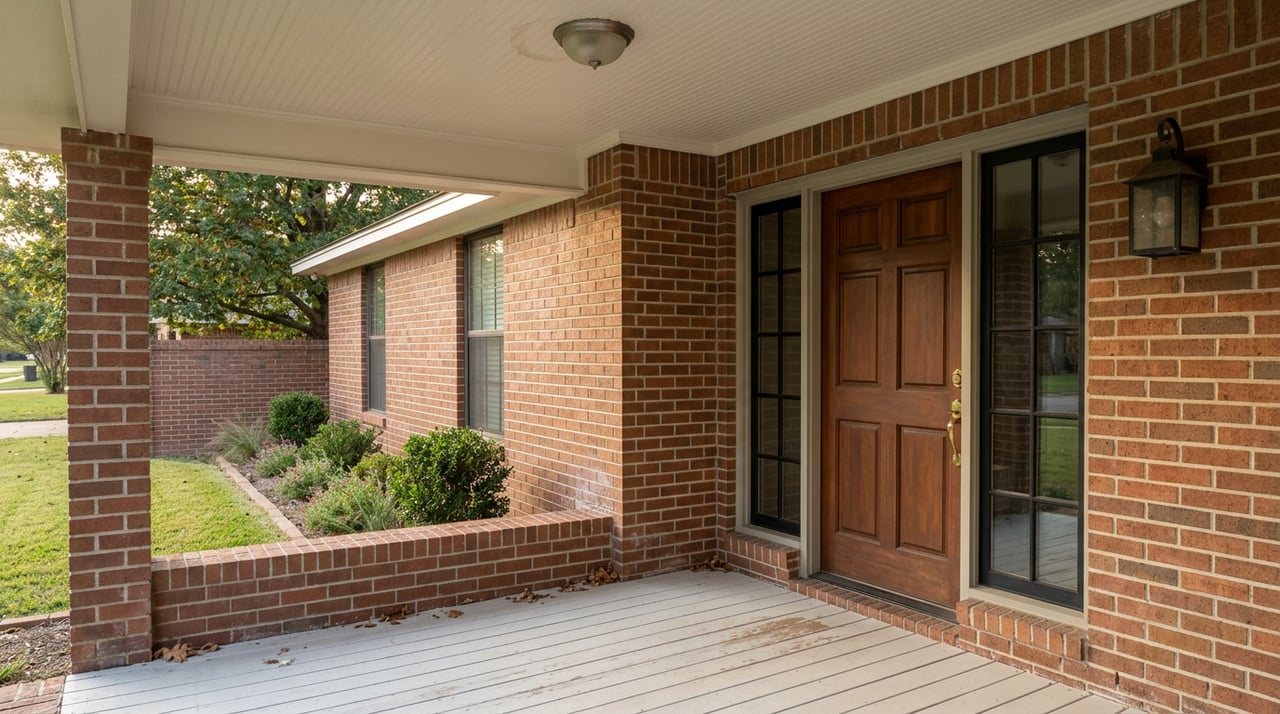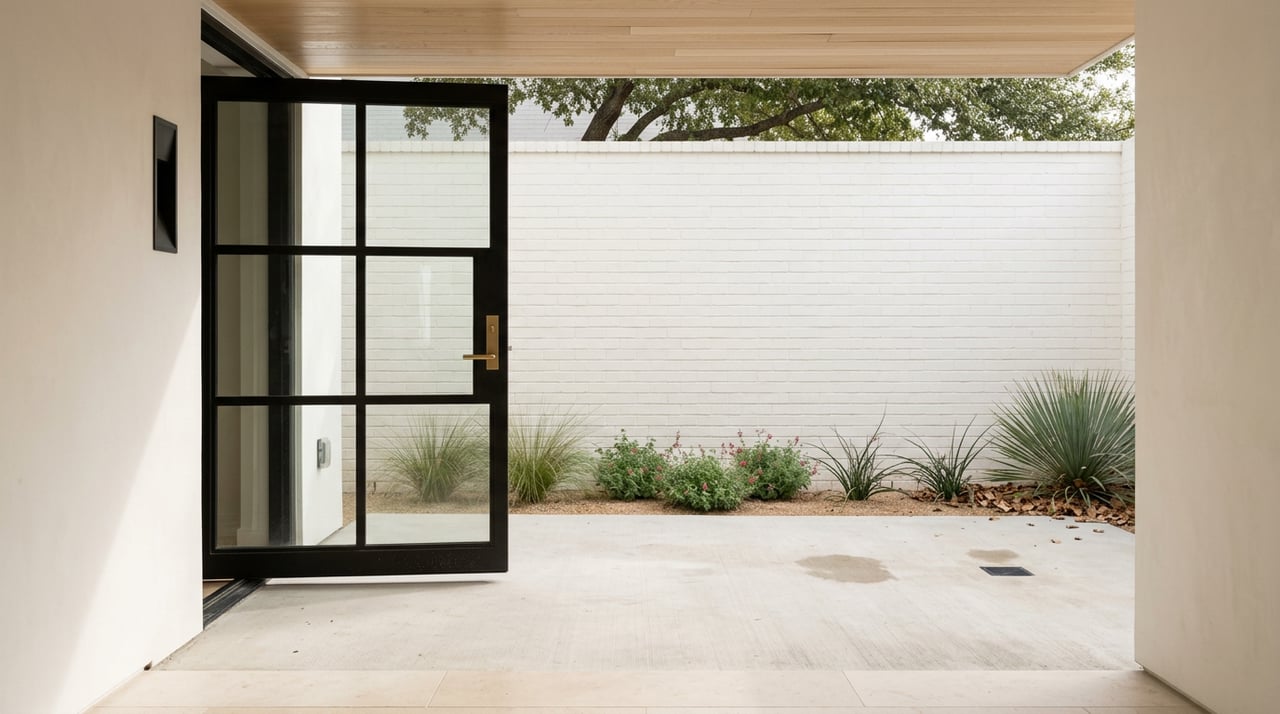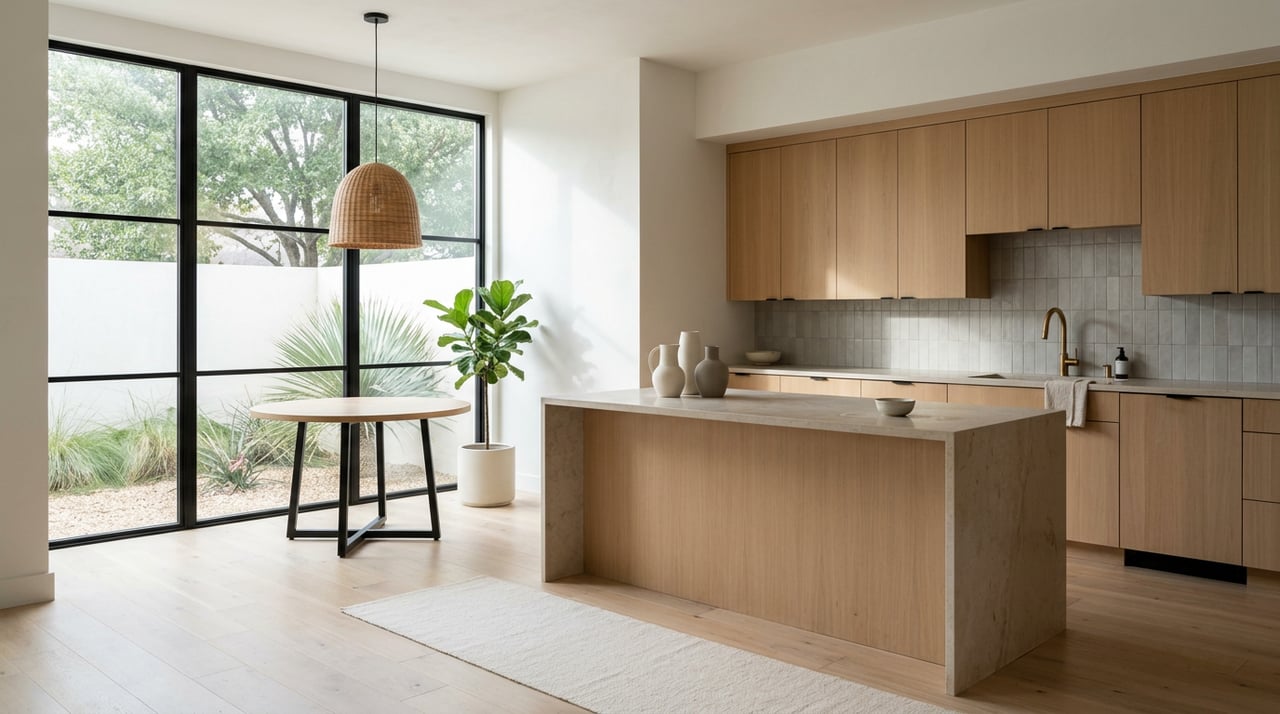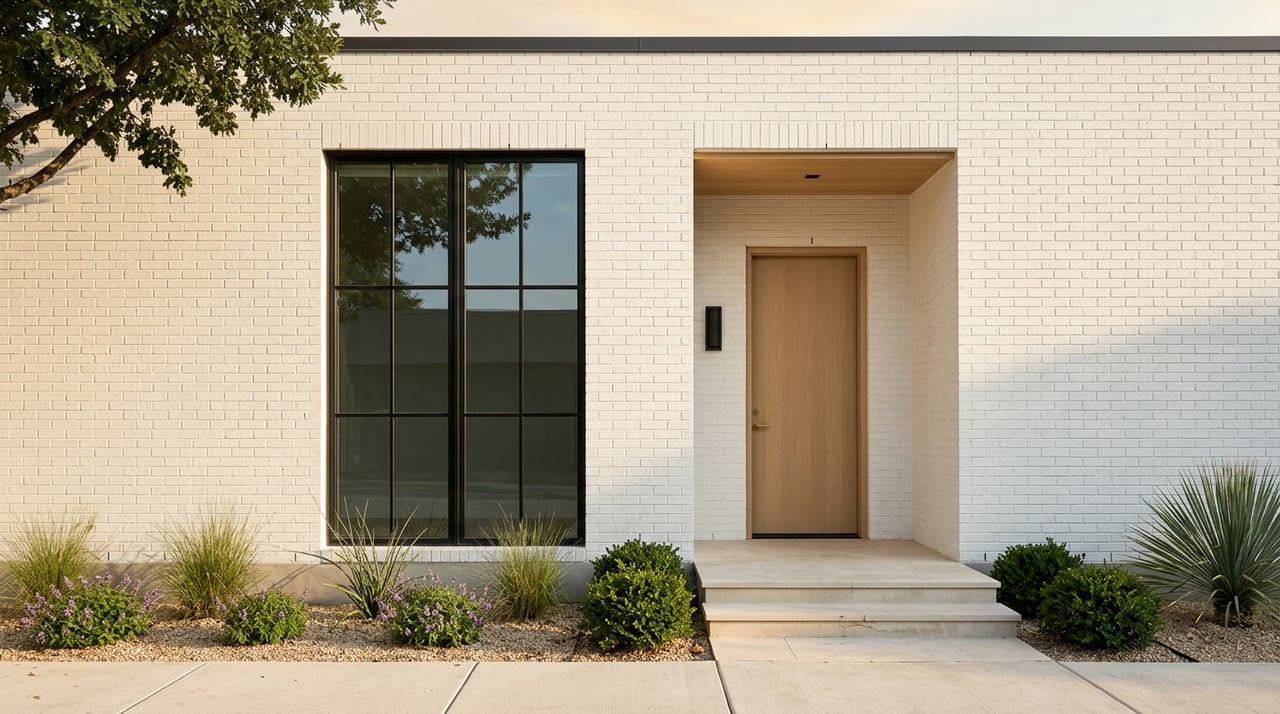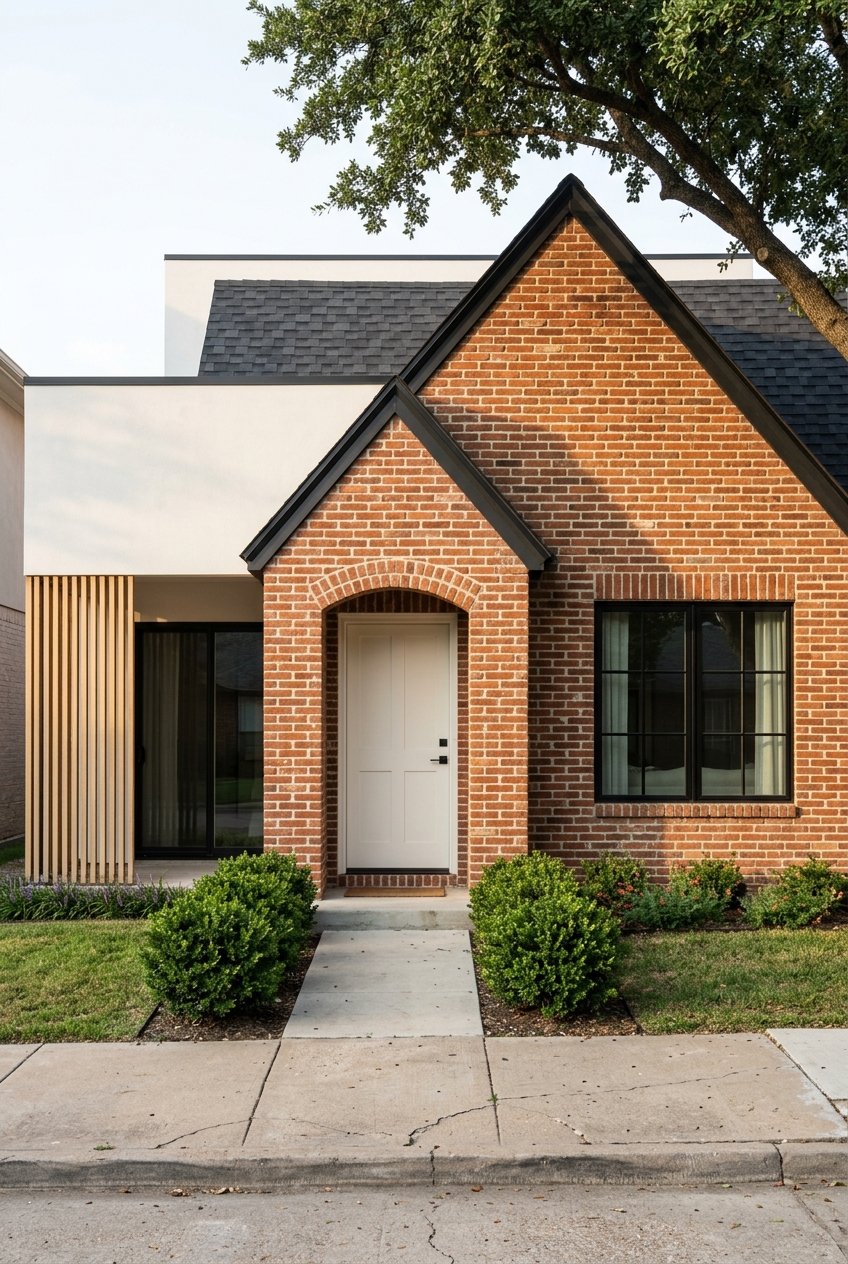
Wondering whether to choose original character or a more updated finish in M-Streets? You are not alone. In this part of Dallas, buyers often weigh curb appeal, renovation potential, and conservation-district rules all at once. If you understand how charm and updates show up in Greenland Hills, you can make a smarter decision and avoid expensive surprises. Let’s dive in.
Why M-Streets Feels Different
M-Streets, also known as Greenland Hills, is not just another pocket of 75206. It is a Dallas conservation district with more than 900 homes, located east of US 75 and about two miles north of downtown. The neighborhood was originally platted in the 1920s and still reflects that early suburban pattern today.
That history matters because buyers are not only shopping for square footage. They are also evaluating how a home fits the look and rhythm of the street. In M-Streets, the neighborhood identity is part of the value proposition.
The housing stock is also varied. The area includes Tudor Revival, Craftsman, Neo-Colonial, Spanish Eclectic, Minimal Traditional, and Ranch homes built from the 1920s through the 1940s. That means the right renovation approach depends on the specific house, not just the zip code.
What Buyers Mean by Charm
In M-Streets, charm usually starts from the sidewalk. Buyers often respond to pitched gables, tall chimneys, front porches, brick or stucco exteriors, and details like stained or leaded glass. The neighborhood is also known for its mature oak and pecan canopy, which adds to the overall street presence.
This kind of appeal is more than a mood or aesthetic preference. In Greenland Hills, visible exterior changes are shaped by conservation-district standards that are designed to preserve the area’s physical character. That makes curb appeal both emotional and practical.
For many buyers, charm means a house still reads as authentic from the street. If the exterior has kept its original proportions, materials, and design cues, it often feels more in sync with the neighborhood. That can matter just as much as a new kitchen or fresh bathrooms.
Why Exterior Character Carries Weight
Dallas uses conservation districts to preserve neighborhood-specific physical features through tailored standards. Greenland Hills is different from a standard newer subdivision because exterior work is not simply a matter of personal preference. Changes that alter appearance often require a Conservation District Work Review.
According to the neighborhood association, review can apply to windows and doors, roofs, fences, driveways, garages, porch changes, brick or stonework, and exterior painting. In other words, many of the features buyers first notice are also the features most closely regulated.
That is why a buyer may place extra value on a home with an intact original exterior. Even if the inside needs work, the outside may already preserve the hardest-to-recreate part of the property.
What Buyers Mean by Updates
When buyers talk about updates in M-Streets, they are often thinking about comfort and function. That may include modern systems, a refreshed kitchen, updated baths, improved storage, or a more usable layout. Those improvements can make daily life easier without changing what gives the house its identity.
In this neighborhood, buyers are often more flexible about interior modernization than visible exterior changes. The conservation-district standards focus heavily on front facades, wrap-around areas, and style-specific exterior elements. So while interior updates still matter, they usually create fewer design-review complications.
This is why two homes can compete very differently. One may have a polished interior but an exterior that feels less true to the street, while another may have dated finishes inside but stronger long-term appeal because the original character remains intact.
The Most Common Trade-Offs
Windows: Efficiency vs Original Look
Window replacement is a big example of the charm-versus-updates debate. Buyers may want better efficiency and easier maintenance, but windows and doors are listed items for conservation-district review. The ordinance also includes style-based standards for these details.
That means the question is not just whether windows are new. It is whether the replacement fits the home’s architecture and meets district expectations. In M-Streets, the wrong window choice can affect both appearance and approval.
Porch Changes: Space vs Street Presence
A porch can add useful living space, but porch changes and enclosures can also alter the original facade rhythm. In a neighborhood known for front-facing architectural character, that matters. What seems like a convenience upgrade may shift how the home sits on the block.
If you are evaluating a house with a modified porch, it helps to think beyond function. Ask whether the change still feels consistent with the rest of the elevation and the surrounding homes.
Garage and Driveway Work: Convenience vs Lot Rhythm
Greenland Hills originally expanded to 60-foot lots in part to allow room for detached garages. That history still influences how additions and garage changes fit, or fail to fit, on a lot. Larger garage massing or altered driveway patterns can be harder to integrate cleanly.
For buyers, this matters because garage convenience can come with design consequences. A more modern setup may be appealing, but if it disrupts the lot rhythm or front-yard relationship, it may feel out of place.
Bigger Layouts: Open Space vs Compatible Design
Many buyers want a larger kitchen, a more open plan, or a true primary suite. In M-Streets, the challenge is not simply adding square footage. The bigger question is whether the expanded footprint still reads as compatible from the front.
Rooflines, facade proportions, and architectural details all play a role. An addition is not just a construction project here. It is also a design and compliance project.
How the Current Market Shapes Buyer Decisions
The broader 75206 market remains active. Over the three months ending in April 2026, the median sale price was $784,605, homes sold in a median of 32 days, 15.9% sold above list price, and 30.8% had price drops. That mix suggests buyers still move quickly for the right property, but they are also willing to push back when pricing or condition feels off.
M-Streets homes also compete with newer product across the zip code, including condos, townhomes, and multifamily options. That gives buyers alternatives if they want turnkey finishes without conservation-district considerations. So for a historic home to stand out, the balance between character and updates needs to feel intentional.
A Practical Buying Framework
If you are trying to decide between a more original home and a more updated one, a simple sequence can help:
- Inspect early.
- Estimate repair costs.
- Estimate compliance and review-related costs for any visible exterior work.
- Decide which updates are truly worth doing after closing.
This order matters because visible changes in M-Streets can trigger extra review time and documentation. Dallas notes that conservation-district staff review a Work Review Form and plans in addition to permit review. The ordinance allows the city 30 days to review work that needs a building permit and 10 days for work that does not.
For permit-triggering exterior work, the requirements can be detailed. The city may require a scaled color rendering of the completed front facade and a sealed site plan showing front yards, driveways, completed work, and adjacent houses. That is a good reminder that some renovations should be budgeted as full design-reviewed projects, not quick cosmetic fixes.
Where Your Budget Often Works Best
A smart compromise in M-Streets is often to buy the house with the most intact exterior character you can afford, then invest in systems and carefully matched improvements. That approach aligns with how the neighborhood works. It can also reduce the risk of spending heavily on changes that are harder to approve or harder to execute well.
For many buyers, the best value is not the house with the flashiest remodel. It is the one with strong bones, authentic street presence, and a realistic path to improving comfort over time. In this neighborhood, preservation and practicality often work best when they are planned together.
How to Evaluate a Home Before You Offer
When you tour homes in M-Streets, pay close attention to both what you see and what future work may require. A thoughtful walk-through can help you separate easy upgrades from expensive ones.
Use a checklist like this:
- Does the front exterior feel original or carefully preserved?
- Have windows, doors, masonry, or porch details been changed?
- Would a future addition affect the facade, roofline, or garage relationship?
- Are the interiors dated in a cosmetic way, or do they need major systems work?
- If you want exterior changes later, are you prepared for review timelines and design documentation?
The right answer depends on your priorities. If you want immediate convenience, a well-updated home may be worth the premium. If you value long-term fit with the neighborhood, an intact exterior may matter more.
The Bottom Line for Buyers
In M-Streets, charm and updates are not equal categories. Charm often lives in the exterior details that are hardest to replace and most tied to the neighborhood’s identity. Updates matter too, but the best ones usually improve daily living without erasing what makes the home belong here.
If you approach the search with clear priorities, realistic budgeting, and an understanding of the district rules, you can make a decision that feels good on day one and still makes sense years later. If you want help comparing original character, renovation potential, and resale positioning in M-Streets, Lardner Group can help you evaluate the options with a design-aware, neighborhood-specific lens.
FAQs
What makes a home in M-Streets feel charming to buyers?
- Buyers often associate charm in M-Streets with original street-facing features like pitched gables, chimneys, front porches, brick or stucco exteriors, and stained or leaded glass, along with the neighborhood’s mature tree canopy and historic architectural variety.
What exterior changes in Greenland Hills may require review?
- Exterior changes that alter a home’s appearance often require Conservation District Work Review, including windows, doors, roofs, fences, driveways, garages, porch changes, masonry work, and exterior painting.
Why do interior updates usually feel easier than exterior changes in M-Streets?
- The conservation-district standards focus heavily on front facades, wrap-around areas, and style-specific exterior details, so interior modernization is often more flexible than visible exterior alterations.
How long can conservation-district review take in Dallas M-Streets?
- Dallas allows 30 days to review work that requires a building permit and 10 days for work that does not, in addition to any permit review requirements.
How should buyers budget for a home in M-Streets Dallas?
- A practical approach is to inspect early, estimate repair costs, estimate any compliance-related costs for planned exterior work, and then decide which cosmetic or functional updates are worth doing after closing.
What is a smart compromise for buyers choosing between charm and updates in M-Streets?
- Many buyers do well by prioritizing a home with intact exterior character, then investing in systems and carefully matched improvements that support comfort without undermining the home’s architectural fit.