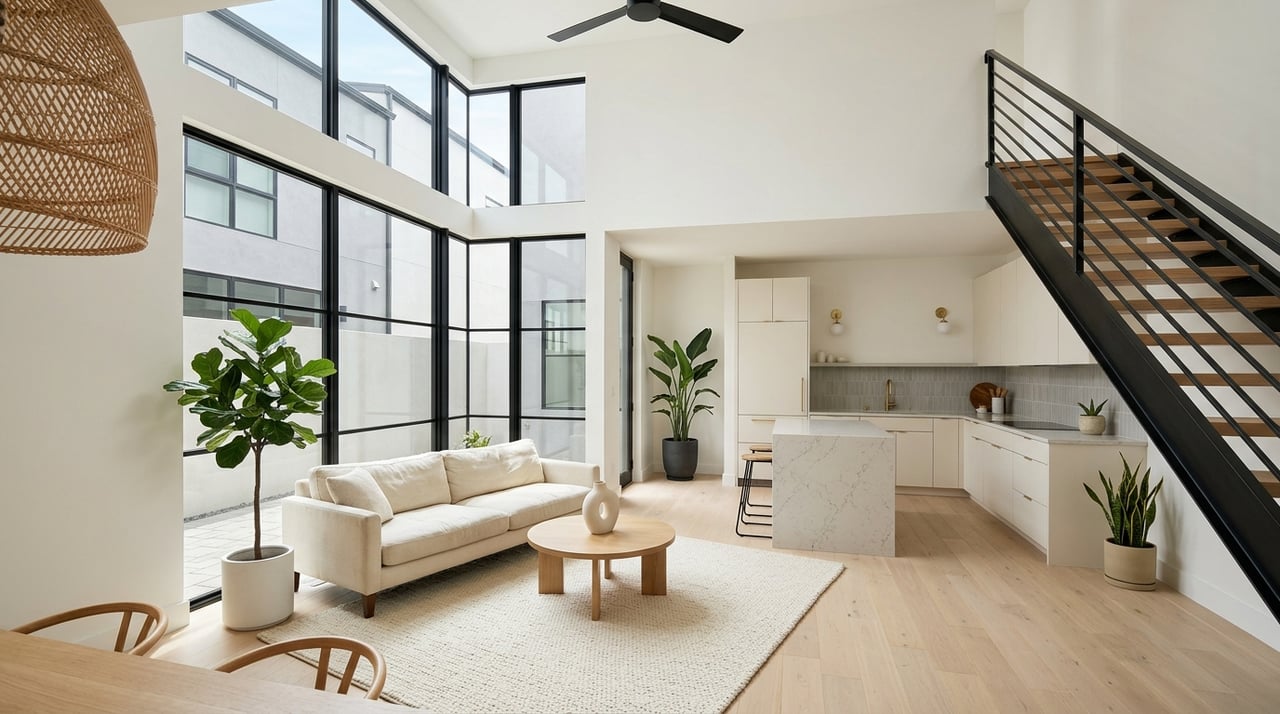
If you are drawn to walkable city living but still want the privacy of your own front door, townhome living in Bishop Arts can feel like a smart middle ground. You get a neighborhood with energy, personality, and everyday convenience, while still having a home base that feels modern and self-contained. For many buyers, that mix is exactly the appeal. Let’s dive in.
Bishop Arts feels local by design
One of the first things you notice about Bishop Arts is that it does not feel generic. The district is known for historic storefronts, colorful murals, locally owned boutiques, chef-driven restaurants, and a strong independent spirit. That creates a daily backdrop that feels creative and grounded in place.
The neighborhood also has real history behind it. The City of Dallas says the Bishop Arts/8th Avenue Conservation District was established in 1992, and the area began as 1920s warehouses. Today, that older fabric helps shape a district that feels distinctive rather than overbuilt.
That local identity is reinforced by the business community. BADMA, the neighborhood merchants association, supports local business and community and regularly hosts events like the monthly Wine Walk. In practice, that means your neighborhood often feels active in a way that is tied to local routines and local businesses.
Daily life is more walk-first
What townhome living in Bishop Arts really feels like, day to day, is less car-dependent than many parts of Dallas. Short trips for coffee, dinner, sweets, shopping, or a patio stop can often happen within the district. Instead of planning your whole day around driving, you may find yourself stepping out for one errand and turning it into a full neighborhood loop.
Visit Dallas highlights more than 60 galleries, boutiques, vintage stores, and restaurants in the area. That concentration helps create a compact lifestyle rhythm. You can move between work, meals, errands, and downtime without feeling like every activity is disconnected from the next.
The City of Dallas West Oak Cliff Area Plan also emphasizes local business, public art, human-scale development, and walkable destinations. That matters because it supports the neighborhood feel many buyers are looking for when they choose an urban townhome instead of a more spread-out housing option.
Downtown access is part of the routine
Bishop Arts also offers a useful connection to downtown Dallas through the Dallas Streetcar. The line runs between EBJ Union Station downtown and the historic Bishop Arts District on a 2.45-mile route with six stops. Service runs seven days a week from 5:30 a.m. to midnight.
That does not mean every trip becomes transit-based, but it does expand your options. A downtown outing can feel more integrated into your routine instead of becoming a separate driving event. For some buyers, that kind of access is a meaningful part of the lifestyle.
Townhomes here are built for flexible living
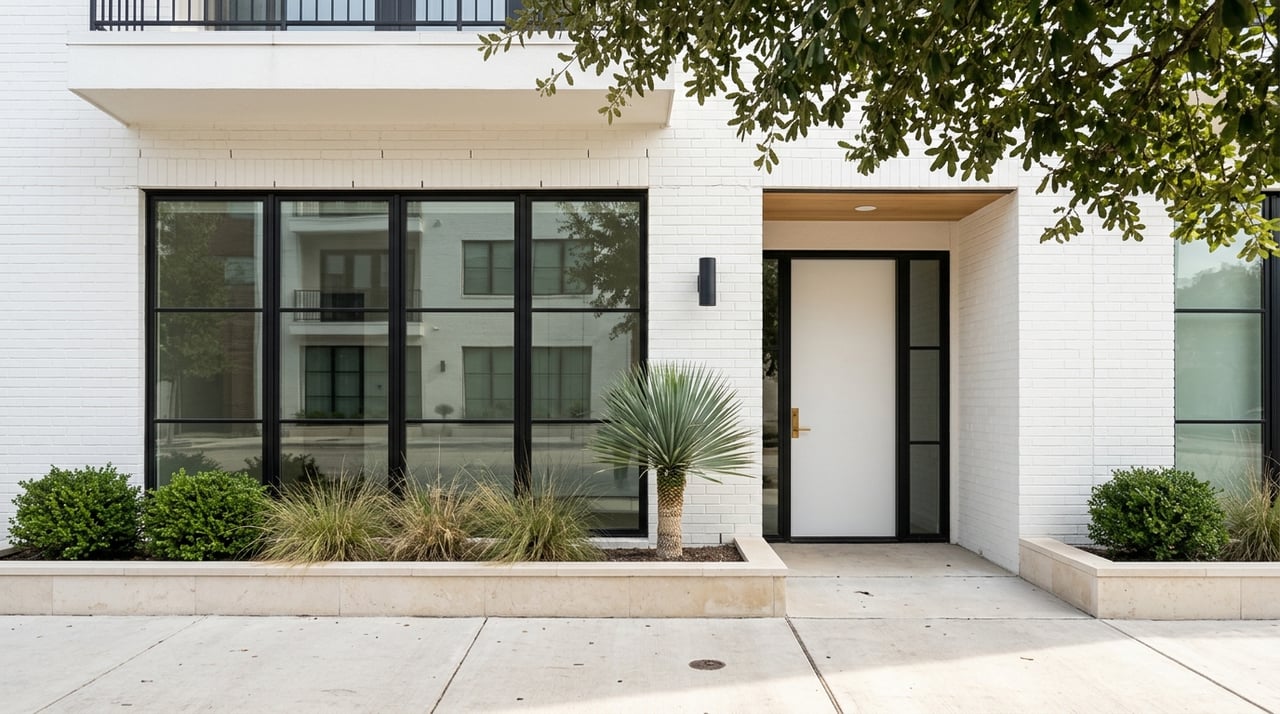
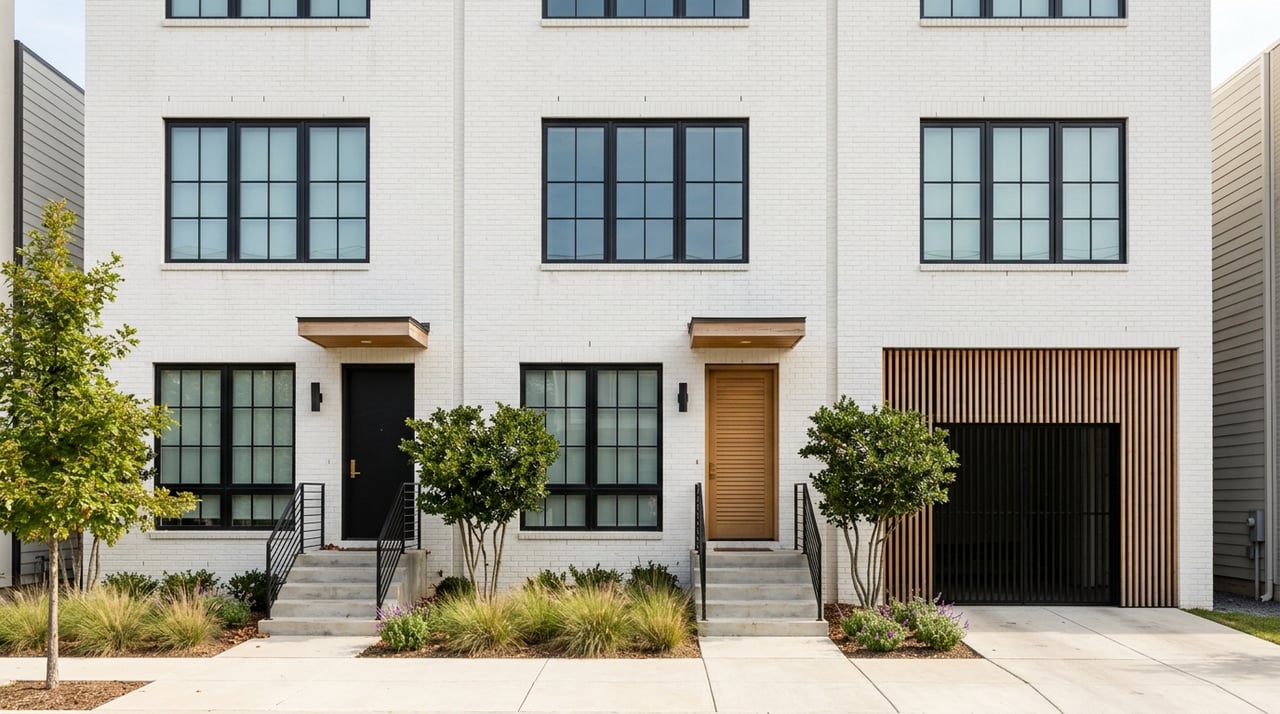
The homes themselves often reflect how people actually live today. Modern Bishop Arts-adjacent townhomes tend to favor vertical layouts, open main living spaces, and flexible bonus areas. That makes them a good fit if you want room to host, work from home, or simply spread out without giving up an urban location.
For example, Cobalt Homes’ Towns on Bishop project on North Bishop Avenue features three-bedroom, three-and-a-half-bath fee-simple homes of roughly 1,888 to 2,006 square feet. The homes include rooftop decks, 9- to 10-foot ceilings, open floor plans, full two-car garages with EV charger outlets, and abundant natural light. Those features help explain why this product type appeals to design-focused buyers in central Dallas.
Another Dallas townhome example, 4811 Residences, highlights a flexible loft space that can serve as a home office, gym, or creative studio. That kind of adaptable square footage is a big part of the appeal. Your home can support different routines without needing a large footprint.
Vertical layouts change how space feels
Townhome living usually means stacking your space across multiple levels. Rather than having one wide floor plan, you move through the home in layers. Bedrooms may feel more tucked away, while kitchen and living areas often become the social center of the house.
For many people, that layout works well. It creates separation between entertaining space and private space, which can be useful if you work from home or host often. It also tends to make the main living floor feel open and bright.
Rooftop space often replaces a big yard
One of the clearest tradeoffs in a Bishop Arts townhome is outdoor space. You are not usually choosing this lifestyle for a large private yard. Instead, outdoor living often shows up as a rooftop deck, balcony, or other private outdoor area.
That setup can still feel highly livable. A rooftop deck can become your morning coffee spot, evening hangout, or weekend hosting space. It is a different kind of outdoor experience, but for many buyers, it fits the neighborhood better than traditional yard maintenance would.
The tradeoffs are real, but so are the benefits
Townhome living in Bishop Arts is not the same as living in a detached house on a large lot. You should expect less yard space, more shared walls, and a more active street environment. If you want total quiet and maximum separation, this may not be the right fit.
At the same time, those tradeoffs often come with meaningful benefits. Attached garage parking adds convenience, and private outdoor spaces can still give you room to unwind. Most importantly, your location puts you close to food, art, shopping, and events in a way that supports a very specific kind of urban routine.
A simple way to think about it is this:
| What you give up | What you gain |
|---|---|
| Large yard | Walkable access to shops, dining, and events |
| More distance from neighbors | Compact, efficient urban living |
| Quieter, lower-activity streets | A lively neighborhood atmosphere |
| One-level spread in some homes | Flexible multi-level layouts and rooftop spaces |
Conservation context shapes the experience
Bishop Arts is not just any growth area. The conservation-district setting helps preserve the area’s distinctive character, which means newer homes often need to fit into a street fabric shaped by older warehouses, renovated buildings, and context-sensitive infill.
For buyers, that can be part of the appeal. The neighborhood’s identity is not being built from scratch. It is evolving within an established setting, which helps explain why the area often feels layered, textured, and visually interesting.
That context can also influence the type of housing you see. Instead of large-scale uniform development, you are more likely to notice projects that respond to the neighborhood around them. For design-conscious buyers, that often adds to the sense of place.
Who tends to love this lifestyle
Bishop Arts townhome living tends to appeal to buyers who value design, convenience, and neighborhood energy. If you like the idea of walking to dinner, having a modern home, and using your space for both everyday living and entertaining, this area makes a strong case for itself.
It can also be a good fit if you work remotely and want a home that supports flexibility. Open-concept main floors, loft spaces, and office nooks can help you create separation between work and downtime. That matters when your home needs to do more than one job.
In practical terms, this lifestyle often feels best for people who want a neighborhood-centered routine. You are choosing access, character, and flexibility over a large yard or a more private suburban layout.
What Bishop Arts townhome living feels like overall
The overall feeling is creative, compact, and connected. Your home can function as a retreat, but it also becomes a launch point for daily life in the neighborhood. Coffee runs, dinners out, streetcar access, local events, and rooftop evenings all become part of the rhythm.
That is what makes Bishop Arts different from a townhome in a more isolated setting. Here, the surrounding district shapes the experience as much as the floor plan does. If you want a home that feels tied to a real neighborhood, that distinction matters.
If you are exploring townhomes in Bishop Arts or comparing central Dallas neighborhoods, Lardner Group can help you find a home that fits your lifestyle, priorities, and design preferences.
FAQs
What is daily townhome living like in Bishop Arts?
- Daily life in Bishop Arts often feels walk-first, with easy access to coffee, dining, shopping, and neighborhood events within a compact area.
What features do Bishop Arts townhomes often include?
- Modern Bishop Arts-adjacent townhomes often include open floor plans, multiple levels, rooftop decks, attached two-car garages, natural light, and flexible loft or office space.
Is Bishop Arts a good fit for buyers who work from home?
- It can be, especially in townhomes with lofts, office nooks, or flexible rooms that support remote work, creative use, or exercise space.
What are the tradeoffs of buying a townhome in Bishop Arts?
- Common tradeoffs include less yard space, more shared walls, and a more active street setting, balanced by private outdoor areas, attached parking, and close access to neighborhood amenities.
How does the Bishop Arts conservation district affect the neighborhood?
- The conservation context helps preserve the area’s distinctive character, which influences how newer homes fit into streets shaped by historic buildings and context-sensitive infill.