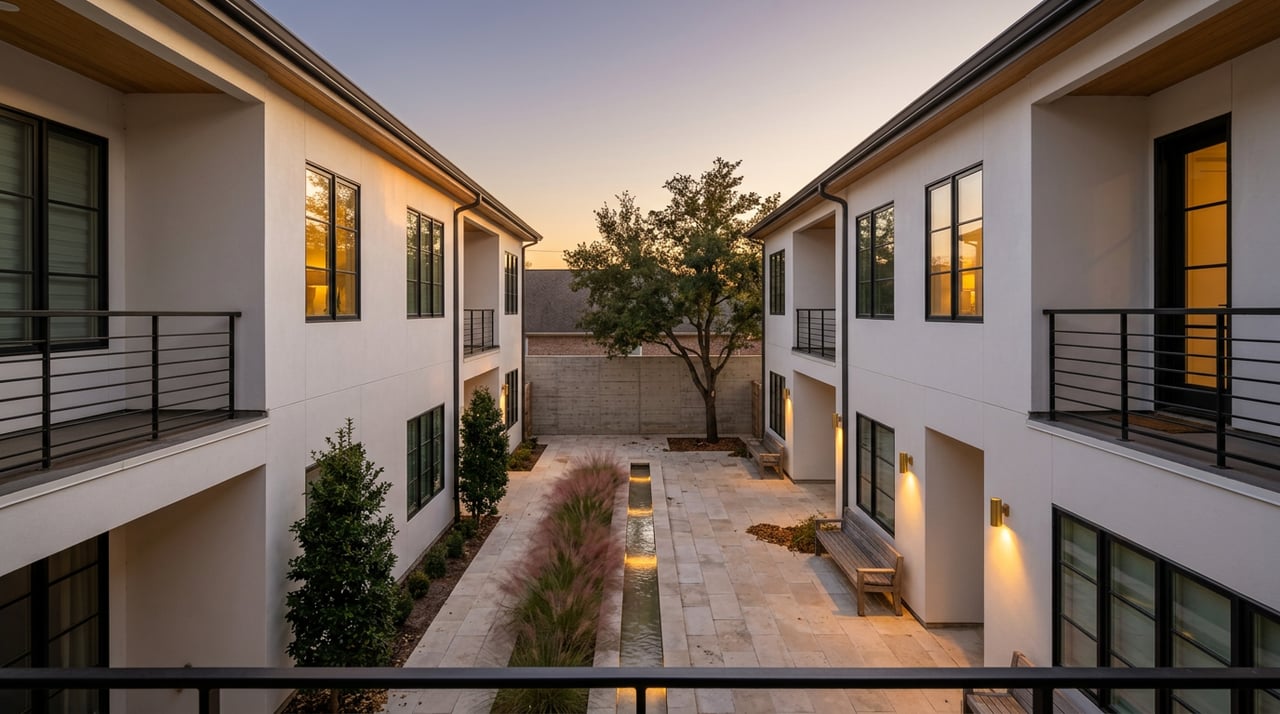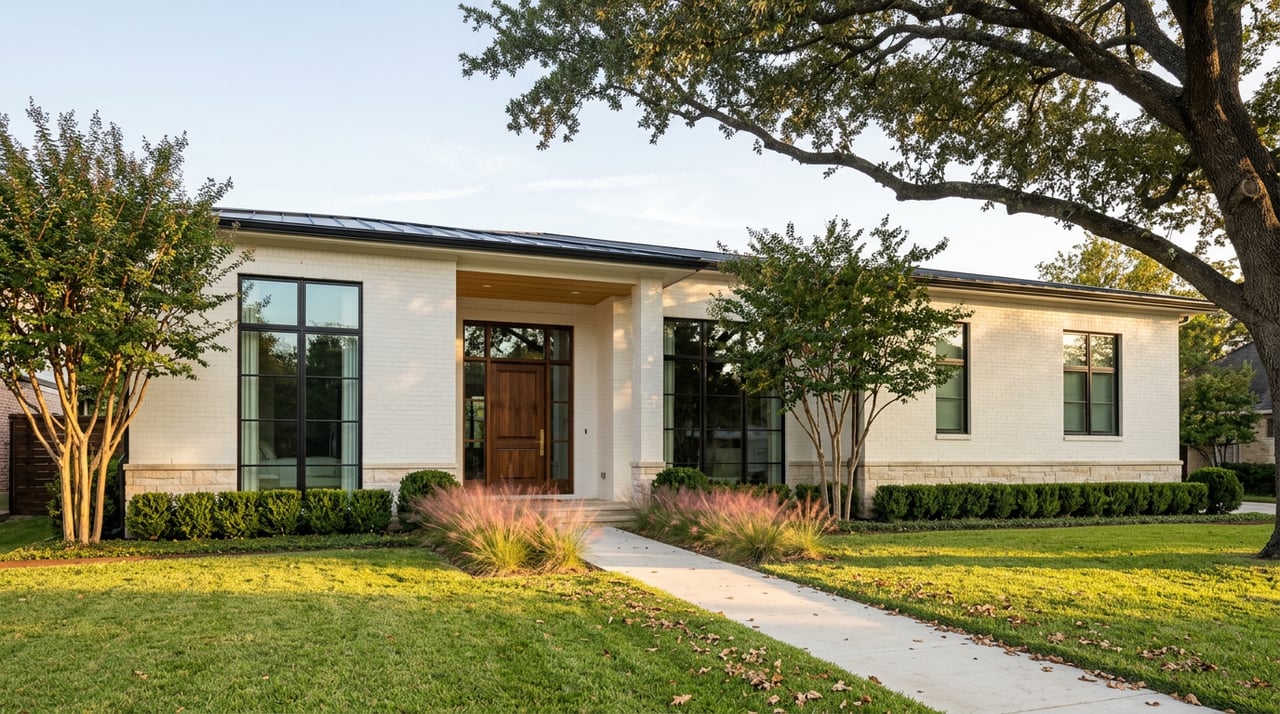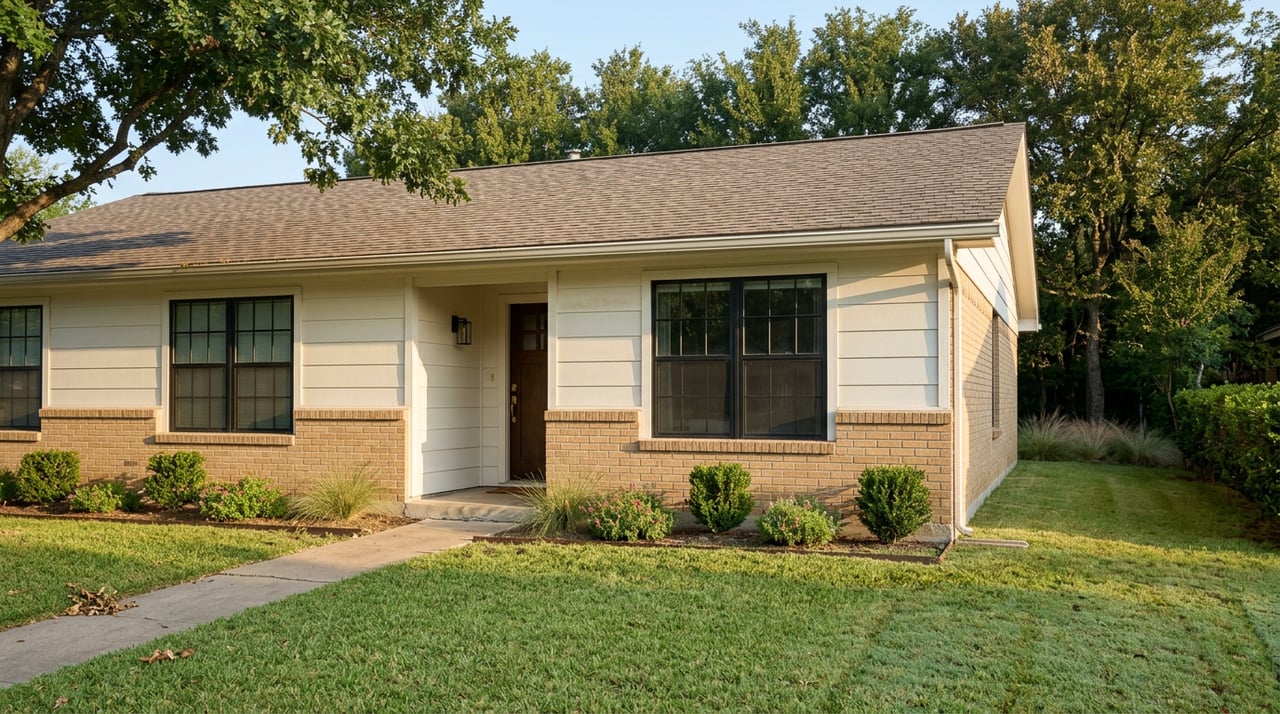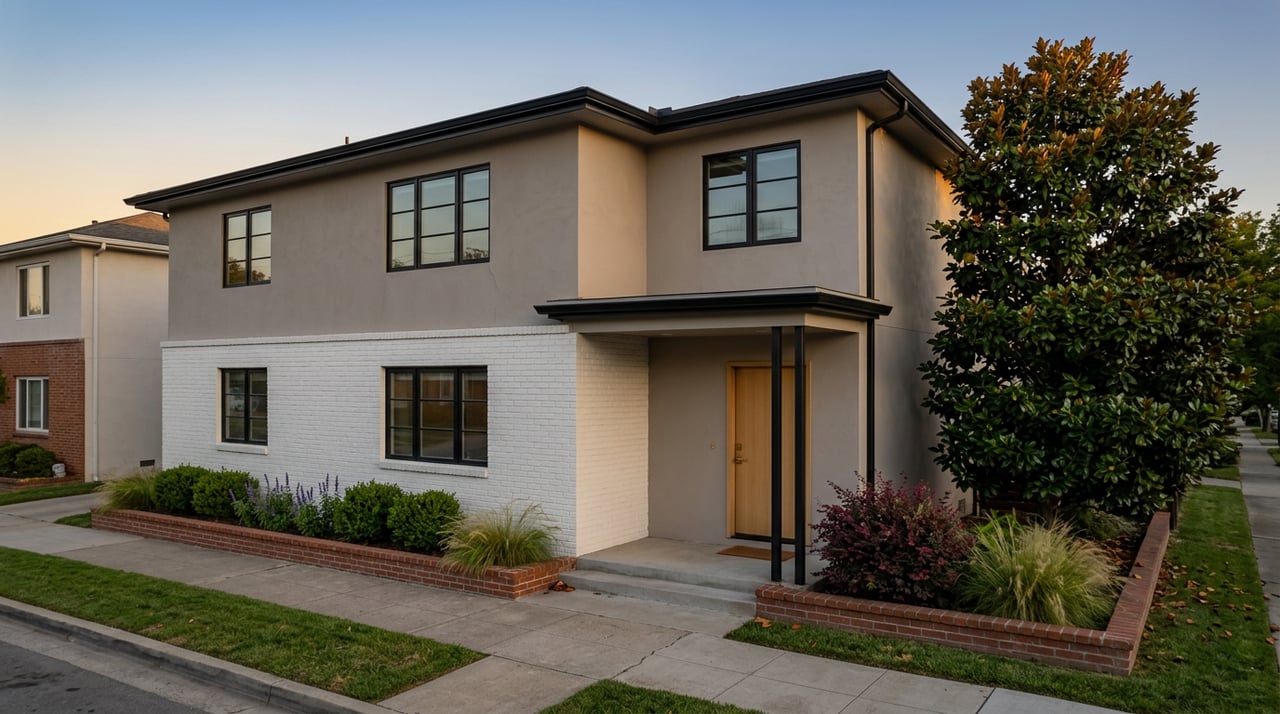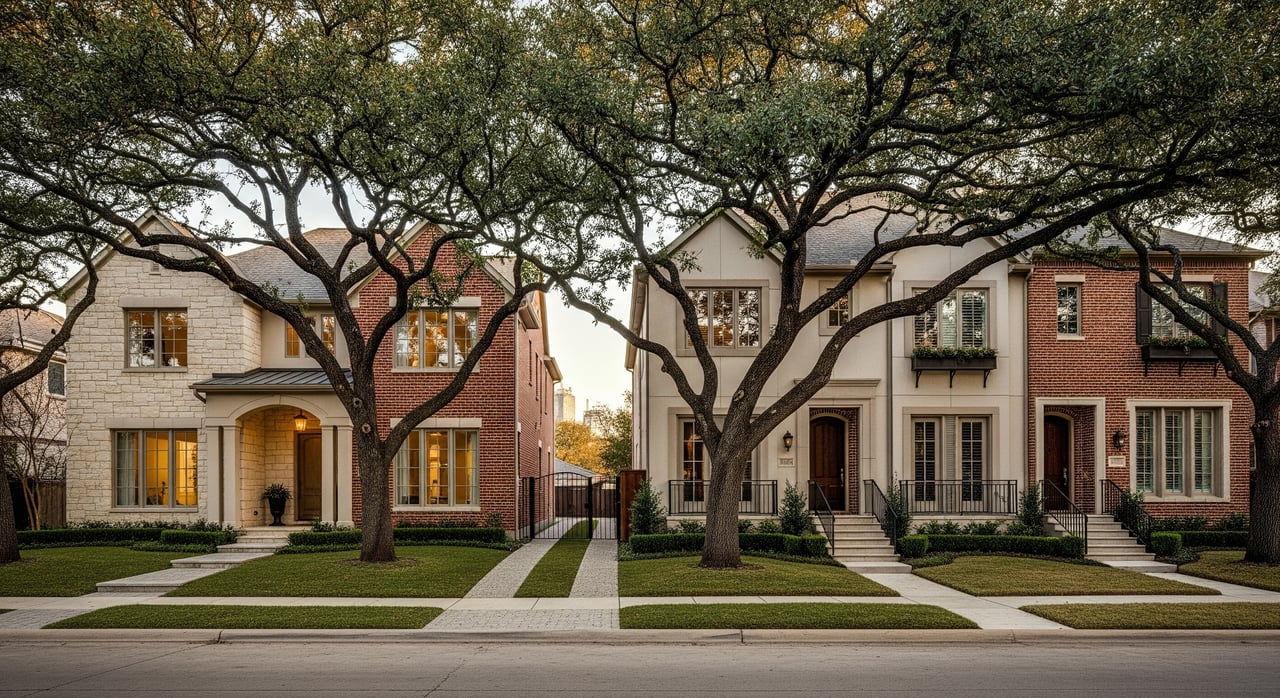
Trying to decide between a townhome and a single-family home in Lakewood? You are not alone. The neighborhood offers both lock-and-leave townhomes and classic detached homes near White Rock Lake, and each path has tradeoffs in cost, upkeep, privacy, yard space, and resale. In this guide, you will get a clear framework to compare total cost of ownership and lifestyle fit so you can move forward with confidence. Let’s dive in.
Lakewood market snapshot
Lakewood sits on Dallas’s east side around White Rock Lake and Lakewood Boulevard. It is an established, high-demand area known for Tudor and bungalow architecture on mature lots. You will also see steady remodels, infill, and the occasional tear-down replaced by new construction.
Buyer demand stays strong in close-in neighborhoods like Lakewood. Inventory can fluctuate, but well-priced homes here often see fewer days on market than the metro average. That backdrop matters, because it shapes pricing, competition, and your exit strategy.
What your money buys
Pricing varies with age, size, finish level, and exact location, but these ranges capture what buyers commonly encounter in and near Lakewood. Always confirm with current MLS comps.
- Townhomes and attached product: roughly $350,000 to $700,000 and up. Units are often newer or renovated, with smaller footprints and modern finishes.
- Detached single-family homes: roughly $700,000 to $2,000,000 and higher. Prices reflect lot size, home age and condition, and whether the home is a recent build or a full renovation.
These are working ranges, not guarantees. Specific properties can price above or below based on condition, micro-location, and current inventory.
Total cost of ownership
Looking beyond list price helps you compare true monthly and long-term costs for each option.
Purchase price and financing
- Lower purchase prices often make townhomes more affordable on monthly principal and interest at similar loan terms.
- Conventional, FHA, and VA loans are available for both types. Some townhome communities require additional HOA documentation or project approval for certain loans, so loop your lender in early.
Property taxes in Dallas
- Texas relies on property taxes. Effective combined rates in Dallas-area jurisdictions commonly land around 2.0% to 2.5% of assessed value, depending on the taxing districts.
- Higher-priced detached homes typically result in higher absolute tax bills. Assessed value can differ from market price, and owners can appeal.
HOA fees and what they cover
- Many townhomes include mandatory HOA fees. Traditional Lakewood single-family homes often do not, unless they are part of a defined development.
- HOA fees can range from modest to several hundred dollars per month. They may cover exterior maintenance, roof or siding in some associations, common-area landscaping, trash, security, and insurance for common elements. Interior systems, personal contents, and many utilities remain the owner’s responsibility.
- Always review HOA budgets, reserves, and the history of special assessments. A healthy reserve reduces your exposure to surprise costs.
Insurance basics
- Attached units often use an HO-6 “walls-in” policy for interiors and liability, since the HOA’s master policy may cover exteriors and shared elements. Premiums can be lower than for a full detached policy.
- Detached single-family homes typically require an HO-3 policy that covers the full structure and contents. Premiums scale with replacement cost, location, and features.
Maintenance and repairs
- A common rule of thumb for detached homes is 1% to 3% of home value per year for maintenance and repairs, adjusted for age and condition.
- Townhome owners may see a lower direct maintenance burden when exteriors are covered by the HOA. A working range is often 0.5% to 1.5% of unit value per year for interior upkeep, plus your HOA fee. Confirm what the HOA actually covers.
- For single-family homes, plan for roofs, siding, gutters, fences, irrigation, and landscaping over time. Those lifecycle costs add up.
Utilities and yard costs
- Utilities track with your square footage and exposure. Smaller, attached homes can be more efficient to heat and cool.
- Yard-specific costs are higher for detached homes with larger lots. Townhomes typically have small private patios or shared green space maintained by the HOA.
Capital reserves and future projects
- For detached homes, budget for big-ticket items like roof replacement, HVAC, and driveway repairs over a multi-year horizon.
- For townhomes, evaluate the HOA’s reserve study. Insufficient reserves can mean special assessments for major exterior work.
Quick monthly cost exercise
Use this simple process to compare apples to apples:
- Estimate mortgage principal and interest using the target price and current rates.
- Add annual property taxes by applying a local rate to the price, then divide by 12.
- Add an insurance quote. Use HO-6 for most townhomes and HO-3 for detached homes.
- Add monthly HOA fees if applicable and note what is covered.
- Add a maintenance allowance. For detached, start at 1% to 3% per year of value. For townhomes, start at 0.5% to 1.5% plus HOA.
- Add utilities and landscaping if not covered by an HOA.
The result is a realistic monthly ownership picture tailored to each property you are considering.
Lifestyle differences
Numbers matter, but how you want to live matters too.
Privacy and noise
- Detached homes offer more privacy since there are no shared walls. You also have more control over landscaping and screening.
- Townhomes share walls, floors, or ceilings, which can introduce some noise risk. Construction quality and sound insulation vary by community and builder. Always walk the property and listen during different times of day.
Yard and outdoor living
- Detached homes typically deliver private yards, mature trees, room for gardens or a pool, and larger entertaining areas. That also means more maintenance.
- Townhomes usually offer smaller private patios or balconies. Many communities provide shared green space maintained by the HOA, ideal if you prefer low-maintenance outdoor living.
Parking and storage
- Detached homes often include wider driveways, private garages, and more storage.
- Townhomes may have attached garages but limited driveway or guest parking. Review HOA parking rules, especially if you have multiple vehicles or frequent visitors.
Renovation and personalization
- Detached homes give you more freedom to remodel or expand, subject to City of Dallas zoning, permits, and any neighborhood overlays. Lakewood is known for remodels and new builds on existing lots.
- Townhome exteriors fall under HOA rules. Interiors are usually flexible, but any visible exterior changes must follow association guidelines.
Resale outlook in Lakewood
When you think about resale, consider the buyer pool, appreciation drivers, and time on market.
Buyer pool and demand
- Detached single-family homes generally appeal to the widest group of buyers. In a neighborhood like Lakewood, lot size, architectural character, and scarcity keep demand strong.
- Townhomes attract buyers who value lower maintenance, newer finishes, or a lower entry price into the area. The pool can be narrower, which makes condition and HOA health even more important.
Appreciation drivers
- In areas with ongoing redevelopment, detached homes can benefit from replacement-value dynamics, especially on larger or well-located lots.
- Townhome appreciation can be steady, but it is more sensitive to HOA performance and market perception. Reserves, maintenance history, and community management directly affect value.
Time on market
- In tight markets, well-priced detached homes and well-located townhomes both move quickly. A prime-lot single-family home often draws the broadest interest. Atypical properties, whether very small SFRs or overbuilt townhomes, may take longer.
Decision framework for buyers
Use this field-tested framework to reach a confident decision.
Key questions to answer
- How important is private outdoor space for pets, gardening, or a future pool?
- How much exterior maintenance do you want to handle or pay for?
- Are shared walls and potential noise acceptable to you?
- Do you want the ability to remodel significantly or build new in the future?
- How close do you want to be to parks or White Rock Lake trails?
- What is your monthly budget when you add mortgage, taxes, insurance, HOA, maintenance, and utilities?
- Are you comfortable with HOA rules and the possibility of special assessments?
Financial comparison checklist
- Pull 6 to 12 months of recent comps for both townhomes and detached homes in Lakewood.
- Price out monthly principal and interest at current rates for each property.
- Estimate property taxes using local rates and assessed values.
- Get insurance quotes tailored to the product type and location.
- Confirm HOA fees and everything they include or exclude.
- Budget maintenance using the ranges above, adjusted for age and condition.
- Add utilities and landscaping.
On-the-ground inspection items
- Townhomes: review party-wall construction, sound insulation, HVAC and water heater locations, guest parking, and the condition of common elements.
- Detached homes: inspect roof, drainage, tree health and root risks, fences, irrigation, driveway, and nearby redevelopment that could affect your block’s character.
Red flags that change the math
- HOA reserves that look thin or a recent pattern of special assessments.
- Visible deferred exterior maintenance in an attached community.
- Unusual property tax reassessments or litigation risk for a detached lot.
- Restrictions or covenants that conflict with your intended use, including rental caps if you plan to rent later.
Local resources to consult
- Dallas Central Appraisal District for assessed values and tax districts.
- City of Dallas Planning, Zoning, and Building Inspections for permits and rules.
- Local MLS market reports for comps and days on market.
- HOA governing documents, reserve studies, meeting minutes, and insurance certificates.
- Local lenders and insurance agents for product-specific quotes.
Which fits your life and budget
Choosing between a townhome and a detached home in Lakewood comes down to your lifestyle, appetite for maintenance, and long-term goals.
- Choose a townhome if you want a lower entry price into Lakewood, low exterior upkeep, and a lock-and-leave setup, and you are comfortable with shared walls and HOA rules.
- Choose a detached single-family home if you prioritize privacy, yard space, control over exterior decisions, and the option to add value through remodels or new construction.
If you want help running a detailed side-by-side for specific properties, including HOA review, reserve analysis, and tailored monthly cost modeling, we can guide you through it from first tour to closing.
Ready to compare real homes and costs in today’s market? Connect with the Lardner Group to schedule a consultation and get a clear plan for your Lakewood search.
FAQs
What costs differ most between Lakewood townhomes and single-family homes?
- Townhomes often have lower purchase prices and interior-only maintenance, but they add HOA fees, while detached homes carry higher absolute taxes, more exterior upkeep, and no or limited HOA costs.
How do HOA fees affect my monthly budget for a Lakewood townhome?
- HOA fees can range from modest to several hundred dollars and may cover exteriors, common areas, and some services, so they can offset some maintenance but still increase your total monthly outlay.
Are Lakewood townhomes harder to resell than detached homes?
- Townhomes serve a narrower buyer pool in a single-family focused neighborhood, so condition, location, and HOA health matter more, while well-kept detached homes often draw broader demand.
What maintenance budget should I plan for each property type?
- A common starting point is 1% to 3% of value per year for detached homes and 0.5% to 1.5% for townhomes plus HOA fees, adjusted for age and condition.
Can I remodel or expand easily in Lakewood?
- Detached homes provide more flexibility to remodel or build new subject to City of Dallas rules, while townhome exteriors are governed by HOA covenants and interior changes may have guidelines.
How should I estimate property taxes on a Lakewood home?
- Apply the local combined rate, often around 2.0% to 2.5% of assessed value, check the appraisal district for the specific parcel, and remember you can appeal the assessment if needed.