You wake up to soft light on the water, lace up, and within minutes you’re on a paved loop that feels like your backyard track. After work, you roll a bike to the curb or grab a paddle and reset on calm water. If you’re wondering what life really feels like near White Rock Lake in Lakewood, this guide walks you through the daily rhythm, the homes, and the practical details you’ll want to know. Let’s dive in.
Where Lakewood sits
Lakewood hugs the western edge of White Rock Lake in East Dallas, with commonly cited boundaries of Mockingbird Lane to the north, Abrams Road to the west, Gaston Avenue to the south, and the lake to the east. You’re about 5 to 8 miles from Downtown Dallas, which often means a 10 to 25 minute drive depending on traffic and your exact block. The lake itself is a 1,015 acre urban park with a paved loop of roughly 9.3 miles that functions like the neighborhood’s outdoor spine. You can confirm lake size and trail details on the City of Dallas Parks page for White Rock Lake and the White Rock Lake Conservancy.
A day by the lake
Morning on the trail
If you like to run, ride, or walk a dog, the loop becomes a daily ritual. Sunrise runs and evening rides are common. Weekends and pleasant evenings tend to be busiest, while midweek daytime hours are usually quieter. Many residents time workouts around those patterns and pick access points that fit their routine.
Midday on the water
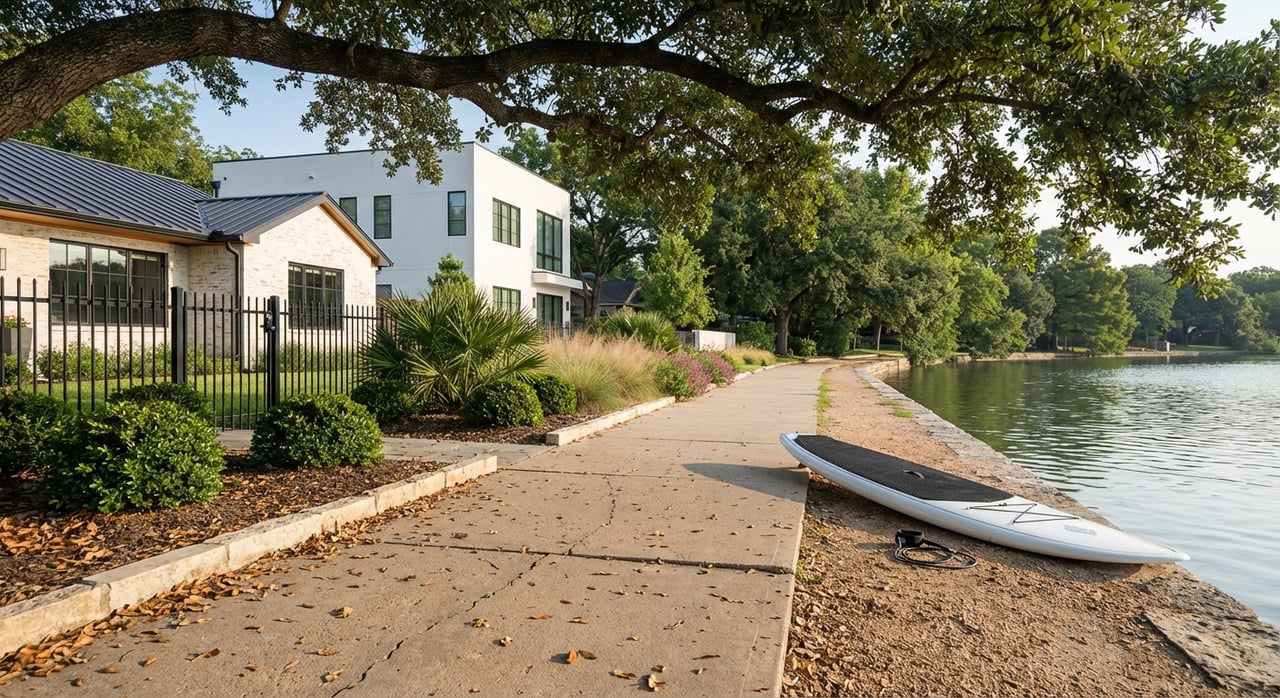
White Rock Lake is primarily a non-motorized scene. You’ll see rowing shells at dawn, small sailboats catching afternoon breezes, and casual kayaks or paddleboards throughout the day. Organized boathouses and clubs support lessons, storage, and community events. For a sense of the on-water community and boathouse history, explore White Rock Rowing’s background. Casual rentals and lessons appear seasonally, so you’ll want to verify current providers before you plan.
Evenings and weekends
Culture lives right at the shoreline. The Bath House Cultural Center hosts exhibitions and performances. Winfrey Point is a popular overlook and event venue with a grassy hill and pavilion, perfect for gatherings and race-day views. For event details on that facility, see Winfrey Point. The White Rock Lake Conservancy coordinates stewardship and the annual Celebration White Rock 5K and 10K, which brings neighbors and runners together on the loop. On busy weekends, trailhead parking can fill up fast, which is why many people prize living within an easy walk or bike ride of access points.
Homes and architecture
Historic charm, mature canopy
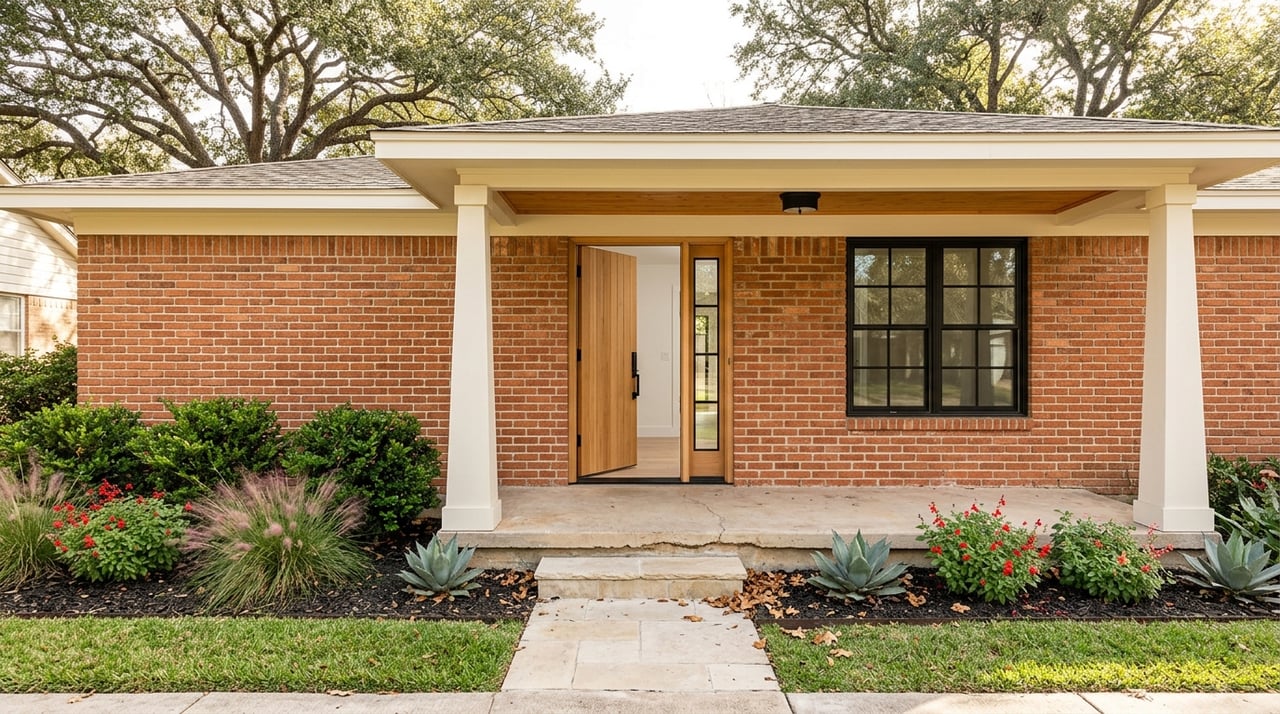
Lakewood’s core streets were largely built from the 1910s through the 1950s. You’ll find Tudor and Colonial Revival homes, 1920s to 30s bungalows and Craftsman houses, mid-century ranches, and some Mediterranean or Spanish-influenced designs. Many older homes are porch oriented and sit on leafy blocks with a mature tree canopy. Neighborhood association pages note that conservation efforts in select areas help preserve that character. For a local snapshot of history and streetscape, visit the Lakewood Hills Neighborhood Association.
Modern infill options
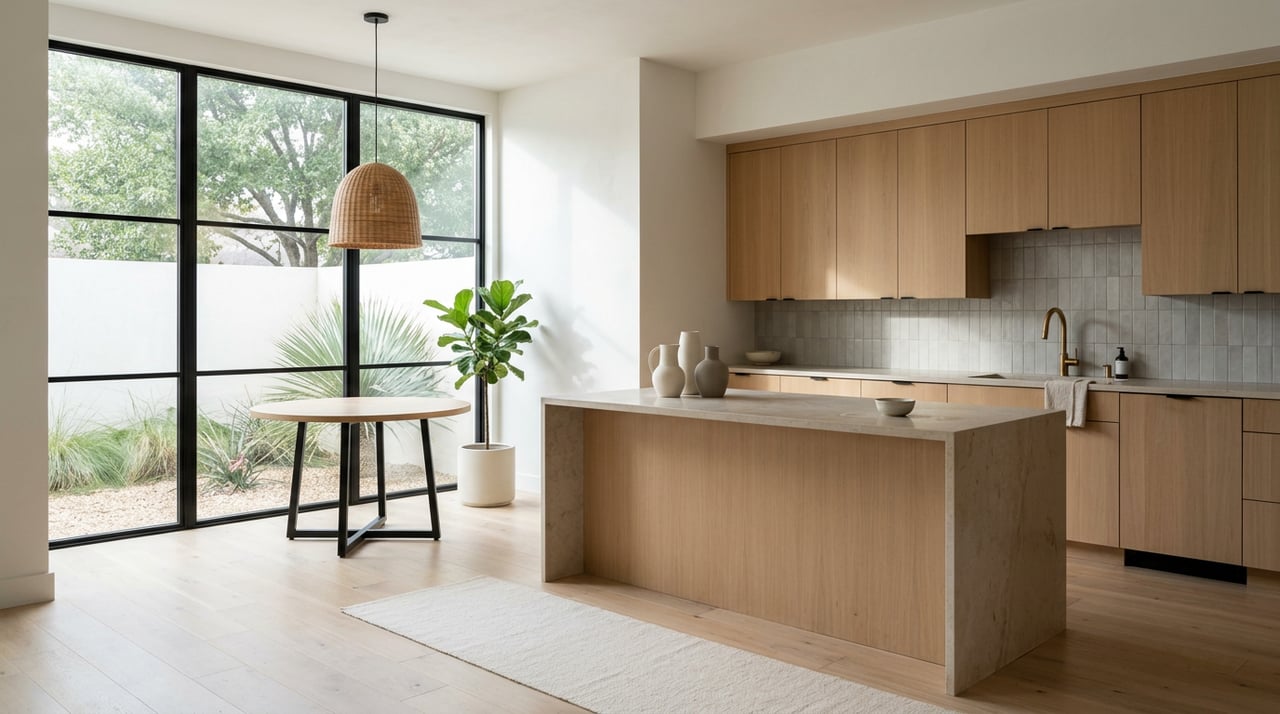
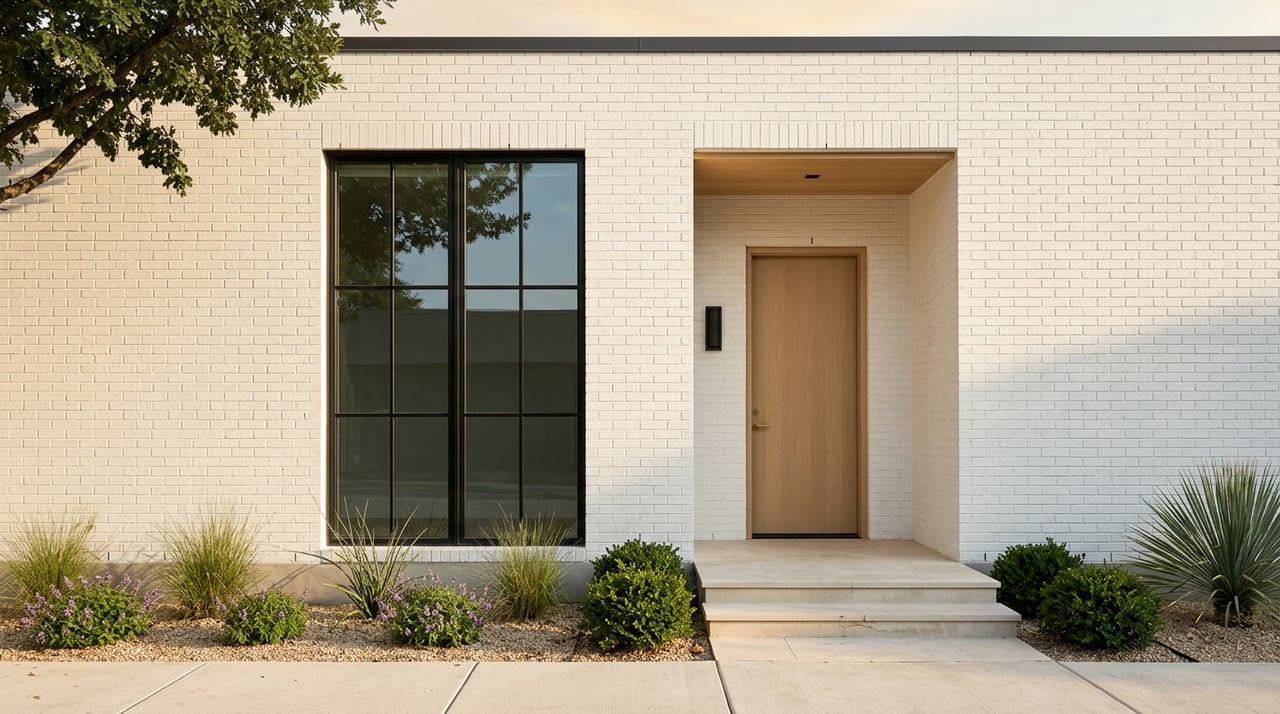
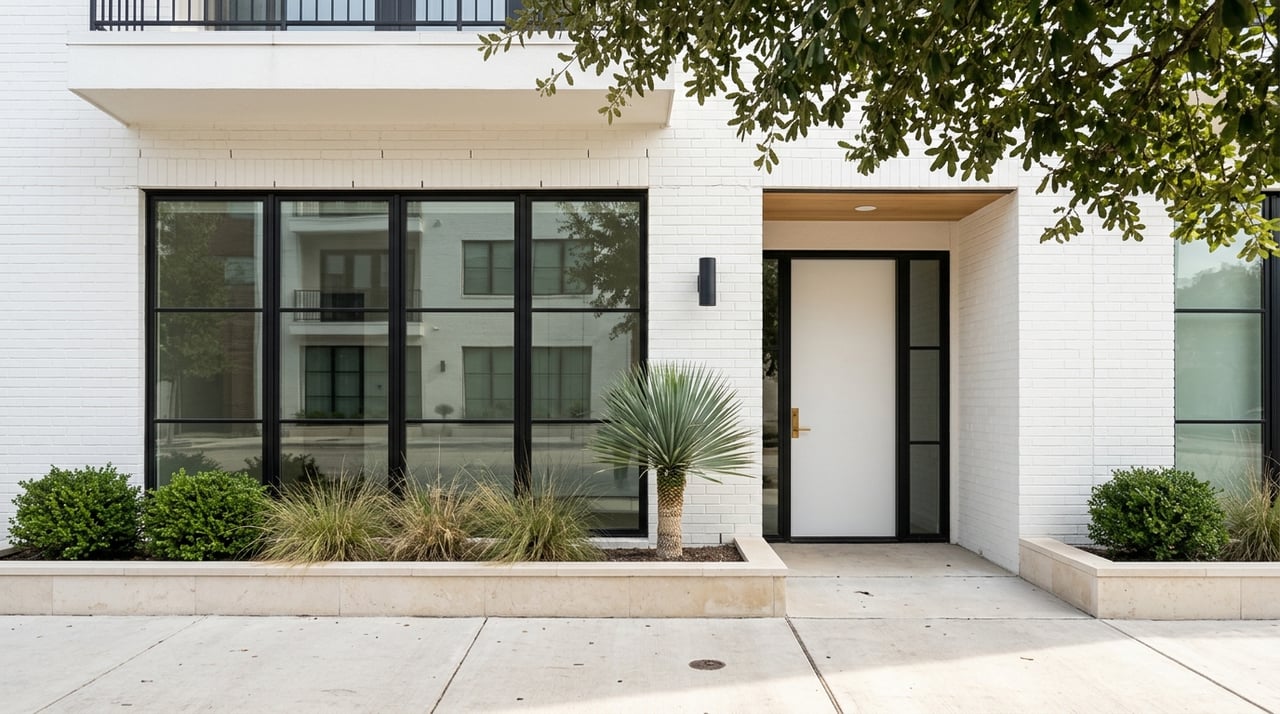
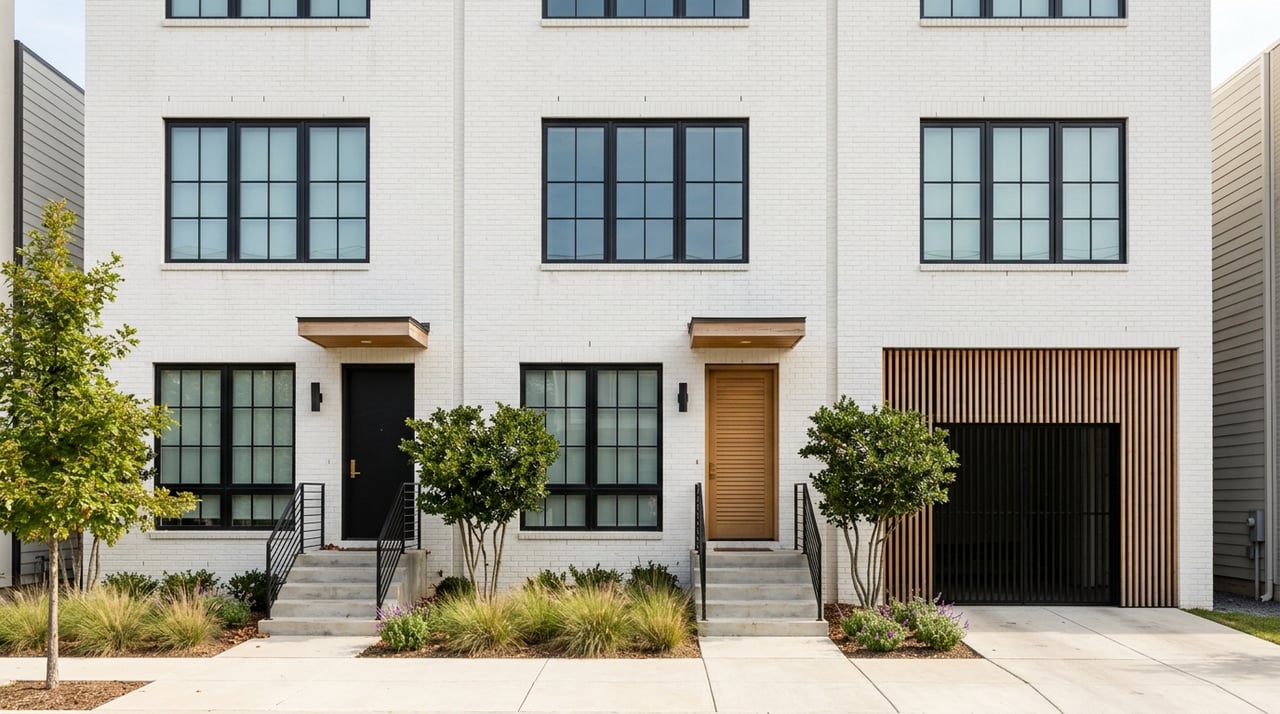
In recent years, builders have added modern infill in pockets near the lake and around retail nodes. You’ll see compact single-family homes and townhomes designed for low maintenance living with quick trail access. Older homes often come with established lot sizes and classic curb appeal. Newer product tends to deliver modern layouts and lighter maintenance. Both are sold on the promise of daily lake access.
Market snapshot
Lakewood is one of Dallas’s higher price neighborhoods. As of January 2026, market trackers report a median sale price around $1.6 million and a somewhat competitive pace with shorter days on market. Prices vary by proximity to the water, lot size, and whether you are buying a preserved home or a recent rebuild. For current comps, you’ll want an updated MLS-driven report at the time you shop.
Streets, shops, and daily rhythm
Many side streets feel intimate and walkable, with smaller east-west blocks that drift toward the lake and a shady oak canopy overhead. Conservation districts and active neighborhood groups in targeted areas help maintain this streetscape character. Daily errands are easy, with nearby shopping centers, local cafes, and grocery options that support quick trips between workouts and work. These hubs double as social anchors where neighbors meet before or after a lap around the lake. For general neighborhood context and boundaries, see the Lakewood overview.
Practical buyer checklist
- Commute and transit: Expect a car-oriented lifestyle. Bus connections serve the corridor, but rail stations are not within an easy walk from many Lakewood blocks. Most residents drive, bike, or use ride share for errands and commuting.
- Trail and parking patterns: The loop is busiest on weekend mornings and pleasant evenings. Trailhead parking often fills on weekends, so living within walking or biking distance helps reduce friction.
- Water use and permits: Clubs and boathouses offer lessons, storage, and coached programs. Casual paddlers can usually launch from public access points, but rental vendors change seasonally. Park rules are enforced by Dallas Park and Recreation, and boating and fishing rules follow Texas Parks and Wildlife guidance. For club context, review White Rock Rowing’s history.
- Schools: Lakewood Elementary is commonly associated with the neighborhood along with designated middle and high schools. Always verify current attendance boundaries with Dallas ISD and review neutral data sources like the Texas Tribune school profile.
- Preservation or rebuild: Some smaller historic homes have given way to larger infill. If you value character architecture, ask about conservation district protections and renovation feasibility on a lot-by-lot basis. Neighborhood pages like Lakewood Hills and general overviews like Lakewood on Wikipedia provide helpful background.
- Flood risk: As with any home near a reservoir or creek corridor, confirm FEMA flood map status and insurance needs before you offer. This quick guide explains how to check the FEMA Flood Map Service Center.
Is Lakewood right for you?
If your ideal day includes a sunrise run, a paddle at lunch, or a sunset ride with city views a short drive from downtown, Lakewood near White Rock Lake fits that lifestyle. You can choose between porch-rich historic streets or modern low-maintenance homes that make it easy to lock, leave, and hit the trail. With thoughtful planning around commute, school boundaries, and flood mapping, you can align the life you want with the home that supports it.
Thinking about a move, a sale, or a modern infill project near the lake? Connect with the neighborhood-savvy team at the Lardner Group to map your next step.
FAQs
How close is White Rock Lake to most Lakewood homes?
- Many blocks sit within a short walk or bike ride of the lake, since Lakewood directly borders the water on its east side. Expect roughly 5 to 20 minutes on foot depending on your exact block.
How long is the White Rock Lake trail loop?
- The paved multi-use loop is about 9.3 miles and circles a 1,015 acre urban lake, according to the City of Dallas Parks.
Can you paddleboard or sail without joining a club at White Rock Lake?
- Yes for casual use at public access points, and seasonal rentals or lessons may be available, but long-term storage and coached programs are typically through clubs and boathouses.
What home styles are common in Lakewood near the lake?
- You’ll see Tudor and Colonial Revival homes, 1920s to 30s bungalows and Craftsman houses, mid-century ranches, and some Mediterranean or Spanish-influenced designs alongside newer infill.
What are typical drive times from Lakewood to Downtown Dallas?
- Plan for about 10 to 25 minutes by car depending on time of day, traffic, and your exact location within Lakewood.
Is Lakewood considered expensive in Dallas?
- Yes relative to many Dallas neighborhoods. As of January 2026, market trackers reported a median sale price around $1.6 million, with premiums closer to the lake and on larger lots.
What cultural venues are on the lake itself?
- The Bath House Cultural Center, Winfrey Point, and the White Rock Lake Conservancy are key anchors for exhibitions, events, runs, and gatherings.