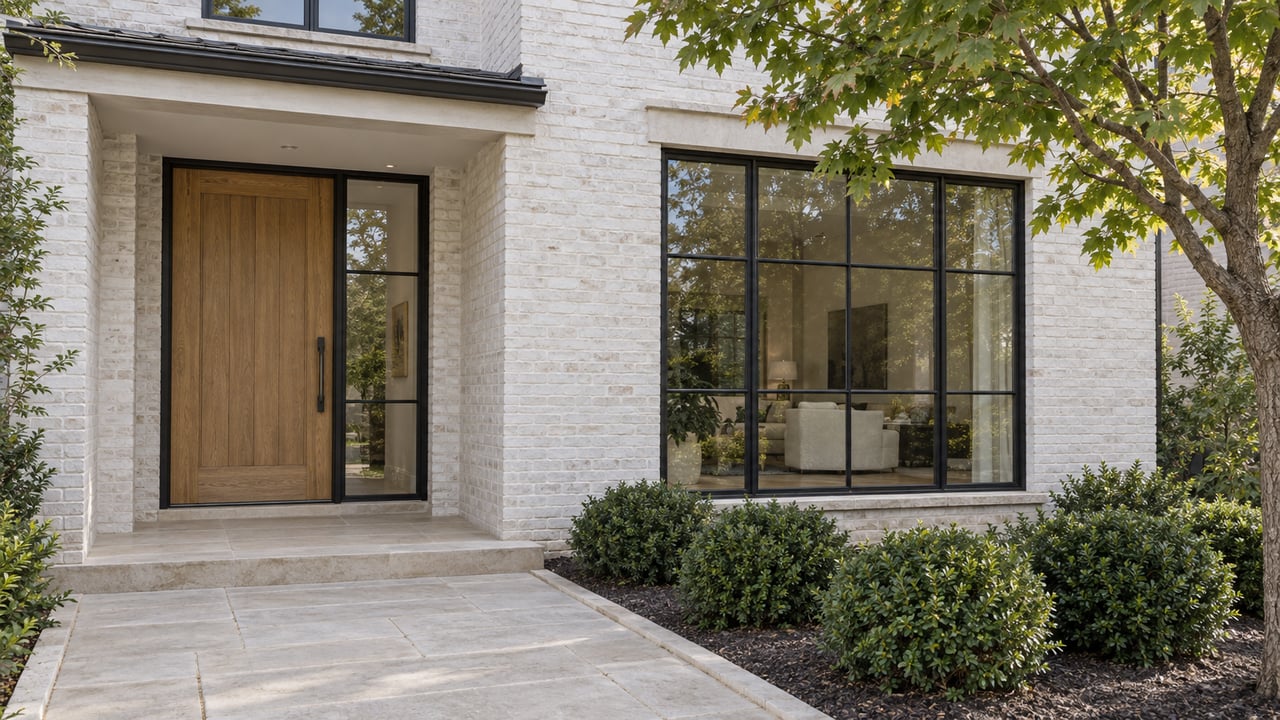
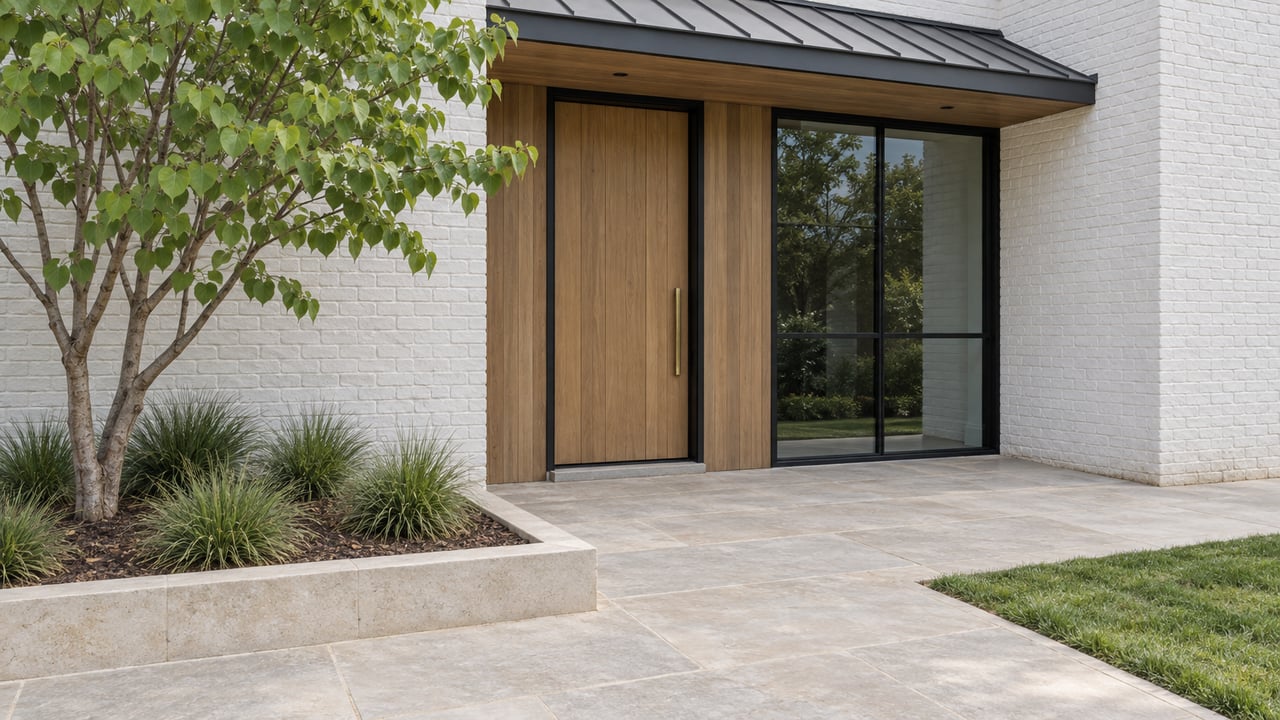
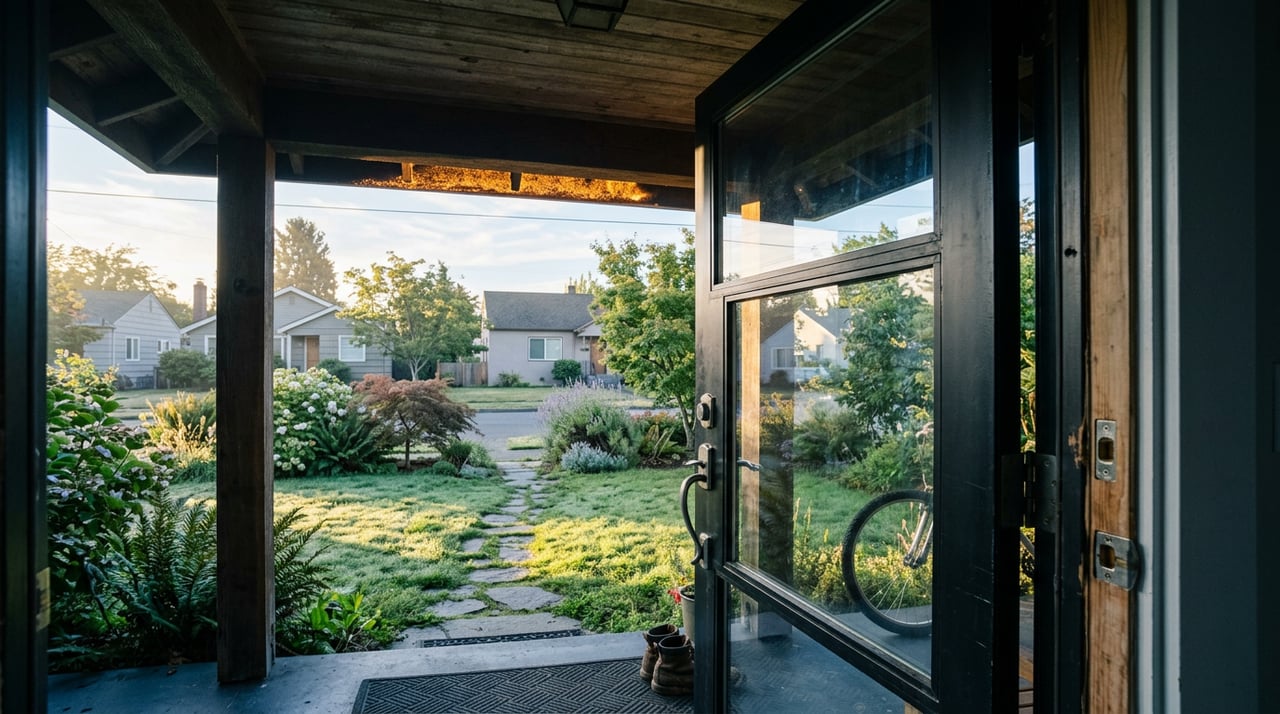
A construction crew spent the better part of a year rebuilding a bungalow at 240 W. 8th St. Not renovating. Rebuilding, down to the exterior siding, because the house sits inside a conservation district and every plank had to clear design review before it went back up. The result is Trapèze, a French bohemian bar and restaurant from Deep Ellum operators Peter Novotny and Dan Murry, who spent months fighting weather delays just to open a restaurant themed around cabaret and circus imagery in an old Oak Cliff bungalow.
That is a strange amount of friction to absorb for a theme. Unless the theme was never really a theme. Novotny has said the inspiration came from Oak Cliff's French history. Bishop Arts has its annual Bastille on Bishop block party and its existing La Reunion Cafe and Bar, open since 2019. That connection is not the same as saying French colonists founded Bishop Arts.
A Colony That Failed Fast
In 1855, roughly 350 French, Belgian, and Swiss colonists walked, rode, and hauled their way to a patch of land on the south bank of the Trinity River to build La Réunion, a utopian socialist community organized around the Fourierist idea that shared labor and shared profit could build a better society than industrial capitalism. The Texas State Historical Association's account puts the whole experiment at about eighteen months before financial insolvency ended it. The land wasn't right for the crops the colonists knew. Not enough of them were farmers. The company that funded the venture never raised enough capital to survive a rough first year.
Most of the settlers scattered to New Orleans, San Antonio, or back to Europe. What stayed was a name and a small cemetery near Fishtrap Road.
Novotny describes Trapèze as a tribute to Oak Cliff's French history, pointing to the existing La Reunion Cafe and the annual Bastille Day party as connections to that history.
Ateliê Grew Out of Lima's Bishop Arts Pop-Ups
A separate restaurant story comes from chef Wyl Lima, who opened Ateliê on West Jefferson Boulevard on December 15, 2025. Lima has no French angle. His globally inspired bistro pulls from his own upbringing in Angola, and the roasted half chicken and cacio e pepe on his twelve-item menu reflect that personal perspective. But when he was scouting real estate for his first permanent restaurant after years of running pop-up dinners under the name The Experience, he told a reporter he was specific with his realtor that he wanted something in the Bishop Arts and Oak Cliff area, because that's where the pop-ups started and, as he told PaperCity, it's his favorite part of the city.
Ateliê now doubles as a satellite gallery for Daisha Board Gallery, rotating work from emerging artists through the same tables where guests order grilled mackerel and croque madame. A second concept, Origen, a reservation-only tasting room built around individual art pieces, opened next door soon after.
Other Restaurant Developments
Two other restaurant developments from this year add to the picture.
- Little Blue Bistro turned into one of the district's most talked-about wine bars almost immediately, known for oysters, escargot, and a Wagyu pot roast that reads as comfort food dressed up for a Saturday afternoon.
- Tipsy Scoop, a New York-born boozy ice cream concept, put up signage at 506 N. Bishop Ave. earlier this year targeting a summer 2026 debut, part of a small-footprint expansion that also includes Boston and Philadelphia. It's the first Bishop Arts entry from a brand built entirely around 21-and-up novelty desserts.
The restaurant concepts discussed here span a range of styles.
The Practical Read for Anyone Already Walking These Blocks
If you already live here, the useful takeaway isn't a list of new addresses to try, though Trapèze's wraparound patio and live music are worth the trip once the menu is fully running, and Ateliê's morning espresso-and-pastry service is a genuinely different use of the space than its evening bistro hours. The more durable observation is about how this neighborhood keeps working.
Bishop Arts is small. It's a district built around a handful of blocks anchored by Bishop Avenue, Davis Street, and Jefferson Boulevard, and its compact scale differs from a strip along a highway frontage road. If you're wondering whether the neighborhood's character survives its own growth, the site-selection decisions being made by the people opening restaurants here are worth watching alongside their opening dates.
The Bastille on Bishop party happens every summer around Bastille Day, and it's worth building a Saturday around if you haven't been, if only to see North Bishop Avenue closed to through traffic for the celebration.
If you're curious how these kinds of neighborhood shifts play into the value of a home or a small development project nearby, that's a conversation worth having with people who track this market closely. Lardner Group works across Bishop Arts and the rest of central Dallas every day, and we're always glad to talk through what's changing on the ground here. Schedule a consultation whenever you're ready.
This article is general information, not legal, tax or financial advice. Consult a qualified professional about your situation.